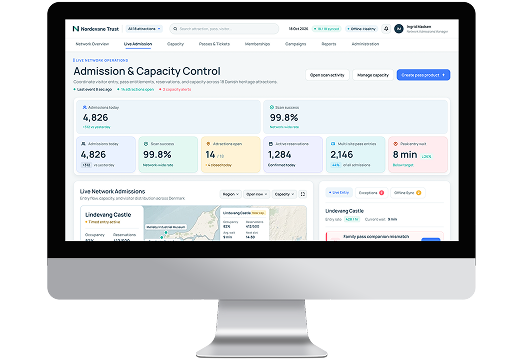
The client operates 18 historic attractions across Denmark, including castles, estates, open-air museums, restored industrial sites, and heritage gardens. Ticketing, memberships, capacity rules, campaign tools, and visitor data were managed through separate local systems.
Computools built Nordevane Trust as a connected visitor-pass and operations platform linking discovery, ticket products, mobile access, memberships, admission workflows, and network reporting. The visitor pass platform gave visitors one account and one journey across multiple attractions while each site retained control over pricing, capacity, and local operations.
Nine months after network-wide adoption, multi-site pass sales increased by 34%, peak entry queues fell by 26%, and repeat visits rose by 21%. Campaign launch time also decreased by 38%, while cross-site visits increased by 29%.
The client manages a diverse heritage portfolio with high-volume city attractions, seasonal rural properties, family destinations, specialist collections, and locations with different membership models.
Each property had developed its own attraction ticketing processes, product rules, refund policies, scanning tools, and capacity controls. Visitors who planned to see several locations often repeated purchases, account creation, reservation steps, and entry checks.
The organization wanted to create one digital visitor experience without removing local autonomy. Effective heritage attraction management still required each site to control availability, prices, benefits, and on-site operations while contributing to a shared network journey.
Fragmentation affected both visitors and operations. Travelers could discover several attractions through one brand, but purchasing and admission remained separate local experiences.
The organization needed admission management software that could coordinate products, reservations, entitlements, access, and exceptions across independently operated attractions.
The project also called for heritage tourism software development experience in multi-site admission, offline validation, capacity planning, and local operating autonomy.
Broader travel and hospitality software development expertise was important because the visitor journey crossed discovery, purchase, reservations, entry, membership, and repeat visits.
Computools developed Nordevane Trust as a shared operational environment around the attractions’ existing systems. Local ticketing and commerce tools remained in place while the platform synchronized visitor identity, pass entitlements, reservations, capacity, and entry events.
The multi-site ticketing system supported day passes, multi-day products, family tickets, group products, member offers, and campaign-specific packages. Visitors could make a one-time purchase and use the same account across several properties.
A digital visitor pass stored active entitlements, companion tickets, reservation details, and QR credentials. Entry validation continued during weak connectivity, with synchronization once service returned.
The platform supported timed entry reservation for attractions with capacity limits. Visitors could reserve or change arrival windows, while site teams managed allocations and availability through a shared operating view.
Integrated membership management software connected benefits, member status, repeat visits, event offers, and entitlement rules across the network.
Staff received tools for scanning, re-entry, exception handling, capacity monitoring, refunds, and campaign inventory. Network leaders gained dashboards covering pass activation, entry patterns, cross-site movement, repeat visits, and revenue.
Nordevane Trust improved pass adoption, admission efficiency, repeat visitation, campaign execution, and movement across the heritage portfolio:
Simplified products and one checkout made multi-attraction visits easier to purchase. Mobile credentials and pre-arrival reservations reduced the need for manual checks at busy entrances.
Better visitor flow management helped the network distribute demand more effectively across properties. Capacity signals and cross-site recommendations made it easier to direct visitors toward relevant attractions with available space.
Shared product and campaign rules also reduced coordination across sites, while finance teams gained traceable records of pass usage and settlements.
The project involved 18 independently operated attractions, various admission systems, local commercial rules, offline entry requirements, and a single shared visitor experience.
Computools applied web development expertise to build responsive visitor, wallet, staff, and management experiences across desktop and mobile environments.
AI development supported capacity forecasting, cross-site recommendations, campaign analysis, settlement checks, and anomaly detection. These capabilities used operational and visitor signals to support decisions without removing local control.
Delivery was tied to measurable outcomes including pass sales, queue time, scan reliability, repeat visits, cross-site movement, campaign speed, and reconciliation accuracy.

The design balanced the character of historic attractions with the speed required during purchase and entry. Editorial imagery supported discovery, while passes, reservations, accessibility information, and entry credentials remained easy to find.
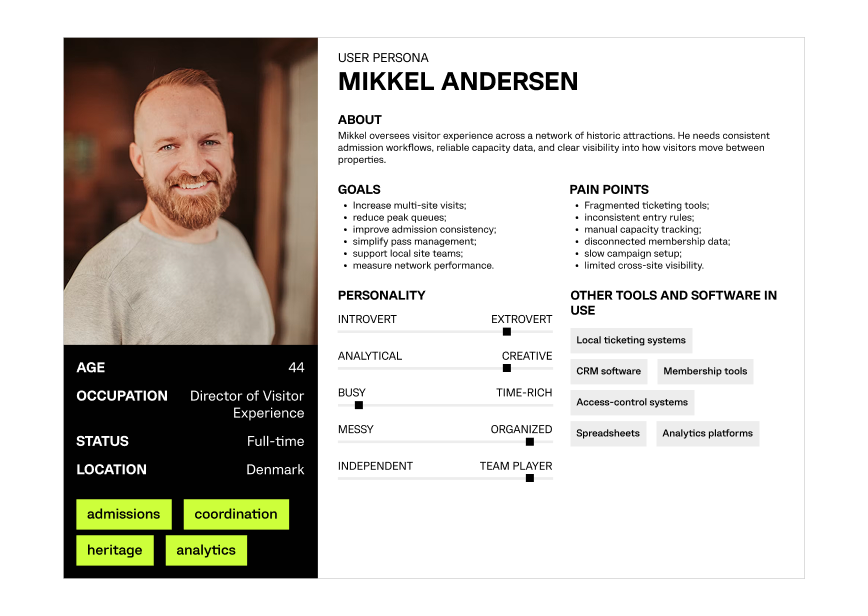
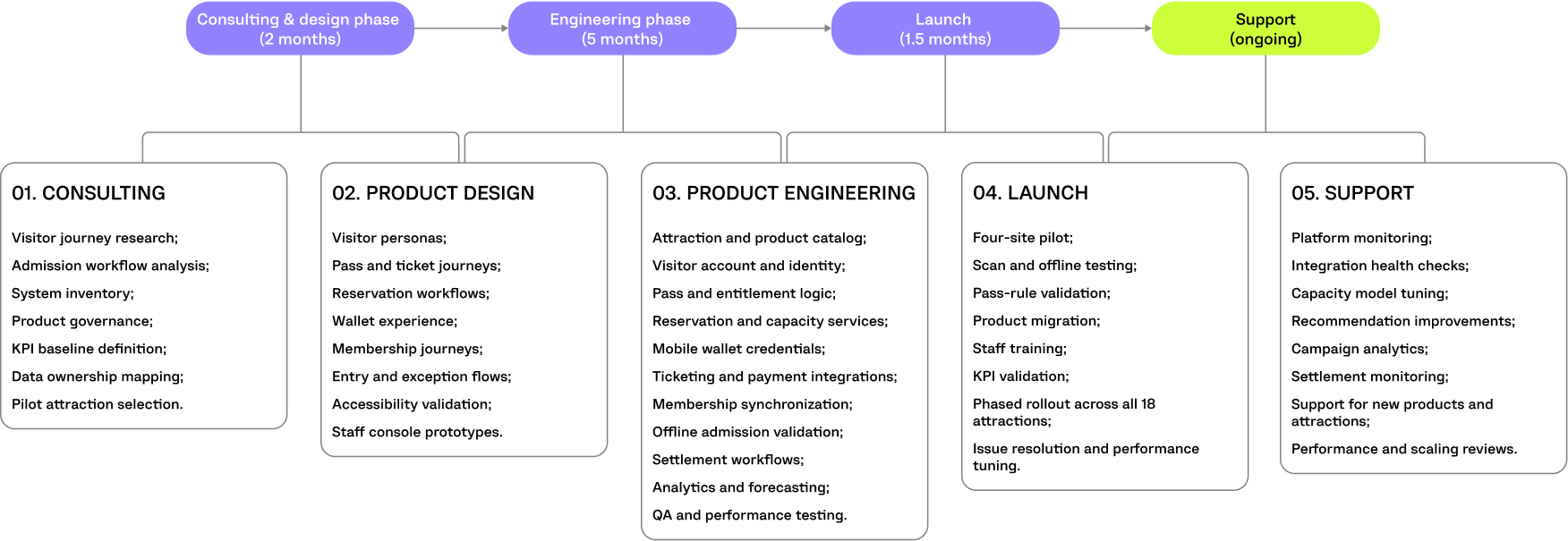
Defining the needs of heritage visitor experience leaders responsible for admission, capacity, memberships, and cross-site coordination.
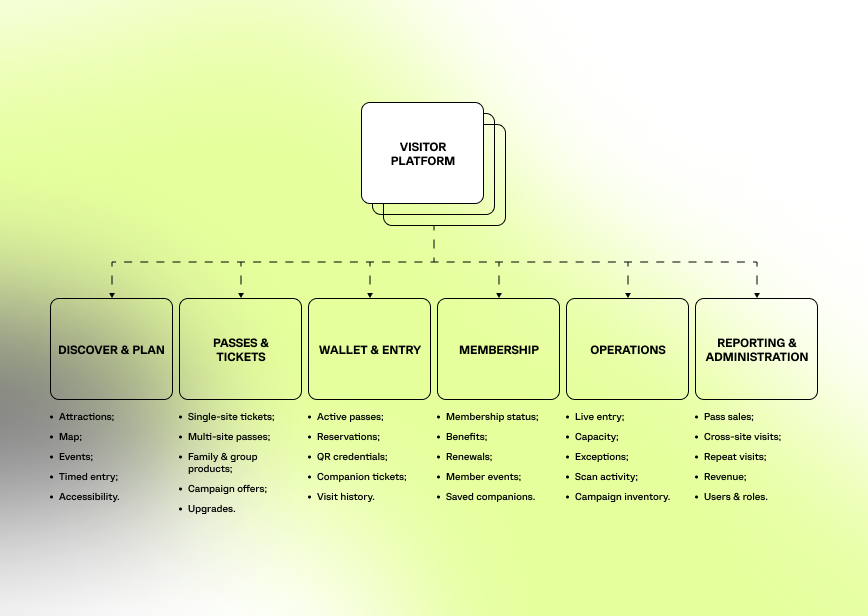
Organizing visitor discovery, passes, reservations, membership, admission, and operations across one connected heritage platform.
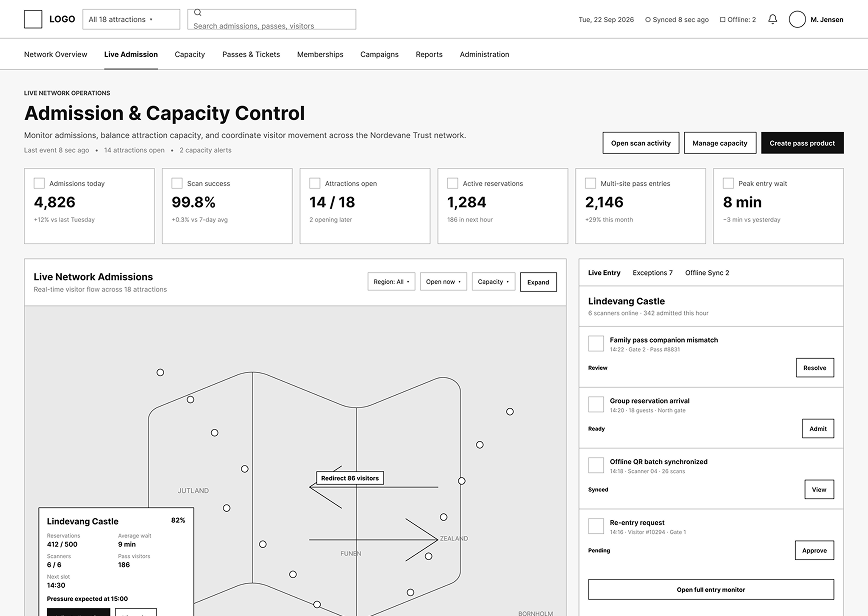
Testing pass purchase, reservation, wallet, entry, capacity, membership, and staff workflows before interface development.
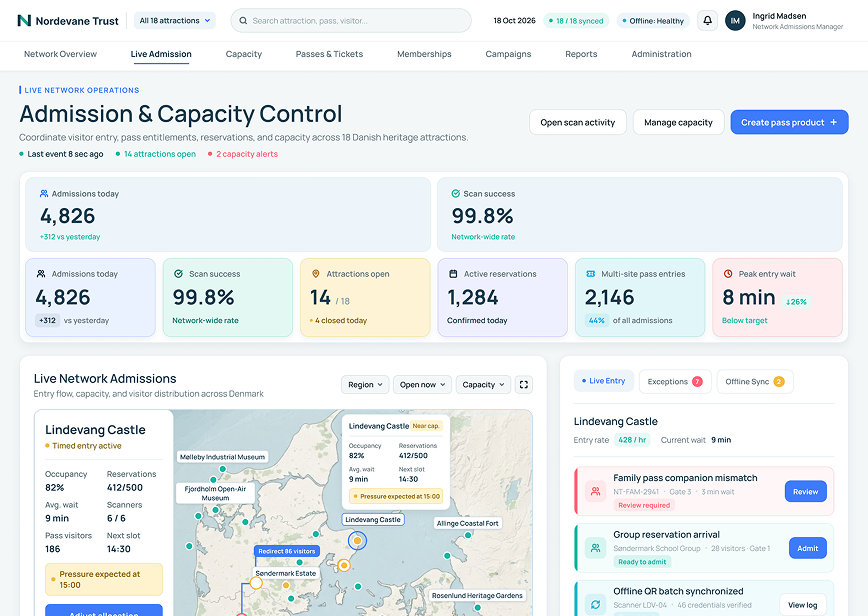
Creating a responsive visitor and staff experience for fast purchasing, admission, and cross-site coordination.

TypeScript
TypeScript supported shared contracts across visitor, staff, and integration services as products, reservations, memberships, and admission events expanded across multiple properties.

Next.js and React
Next.js and React powered discovery, product comparison, checkout, account, wallet, and staff administration interfaces. Progressive web capabilities kept active passes and reservations available offline.

Node.js and NestJS
Node.js and NestJS handled product rules, entitlements, reservations, refunds, payments, notifications, permissions, and settlements. REST APIs, webhooks, and event pipelines connected ticketing, payment, CRM, membership, event, and access-control systems.

PostgreSQL and PostGIS
PostgreSQL stored attractions, reservations, entitlements, scan events, membership status, settlements, consent, and visit history. PostGIS supported location-aware discovery and cross-site planning.

Python and FastAPI
Python and FastAPI supported capacity forecasting, recommendation logic, campaign analysis, settlement checks, and anomaly detection.

AWS, Docker, and Terraform
AWS provided scalable cloud infrastructure, Docker supported consistent runtime environments, and Terraform automated infrastructure provisioning and deployment.
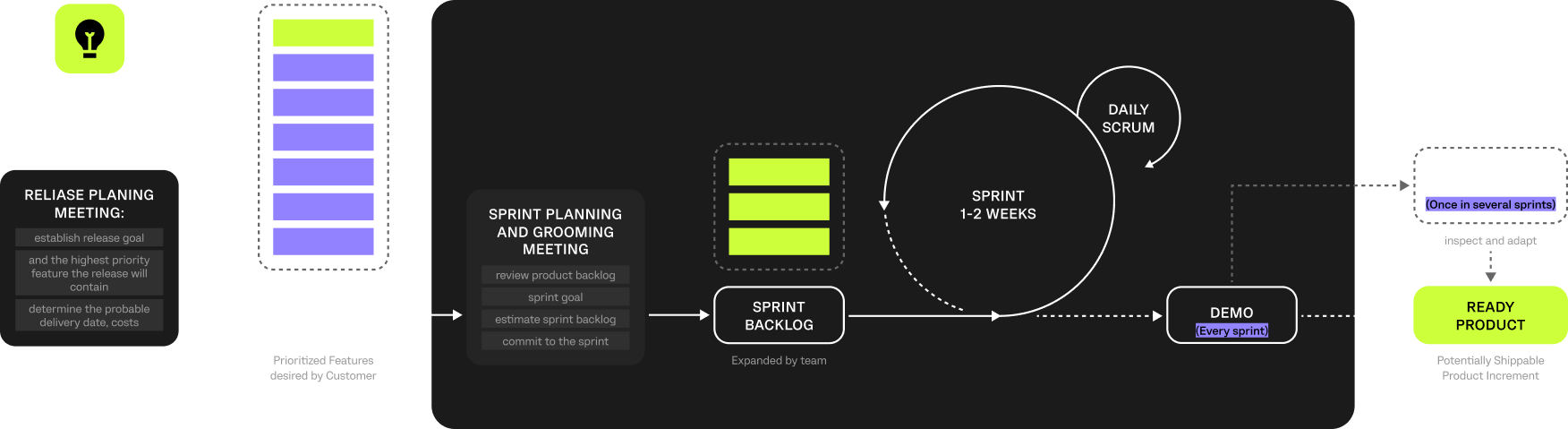
Computools used two-week Scrum iterations with visitor, front-of-house, membership, finance, marketing, and site-management representatives reviewing working functionality throughout delivery.
Acceptance criteria covered product accuracy, checkout performance, scan reliability, offline operation, accessibility, reconciliation, and staff readiness.
Four pilot attractions represented different audiences, ticketing systems, queue patterns, membership models, and connectivity conditions. Their results informed workflow and integration changes before the platform expanded across the remaining sites.
Before Nordevane Trust, buying a network pass was only the first step. Visitors still had to deal with each attraction separately. Now the whole trip feels connected, and our teams can finally see what’s happening across the network in real time.


Computools | 341 Raven Cir, Camden Wyoming, Delaware 19934, US


