
THE AUTHOR:

Rising transportation costs and persistent underutilization are driving operators to adopt IoT logistics optimization software that leverages real-time fleet signals to improve load utilization and cut empty miles.
One of the biggest structural inefficiencies in freight transportation is empty mileage. In many European countries, 15–30% of truck-kilometers are driven by empty, meaning a significant share of transport capacity incurs operational costs without revenue.
The issue extends beyond Europe. In the UK, heavy goods vehicles continue to operate with around 30% empty running rates, representing billions of kilometers travelled without cargo each year.
At the same time, the industry is rapidly adopting connected technologies to address these inefficiencies. The global IoT in logistics market is projected to reach about $68.46 billion in 2026, with strong growth expected through the next decade as companies invest in real-time tracking, fleet monitoring, and predictive logistics optimization.
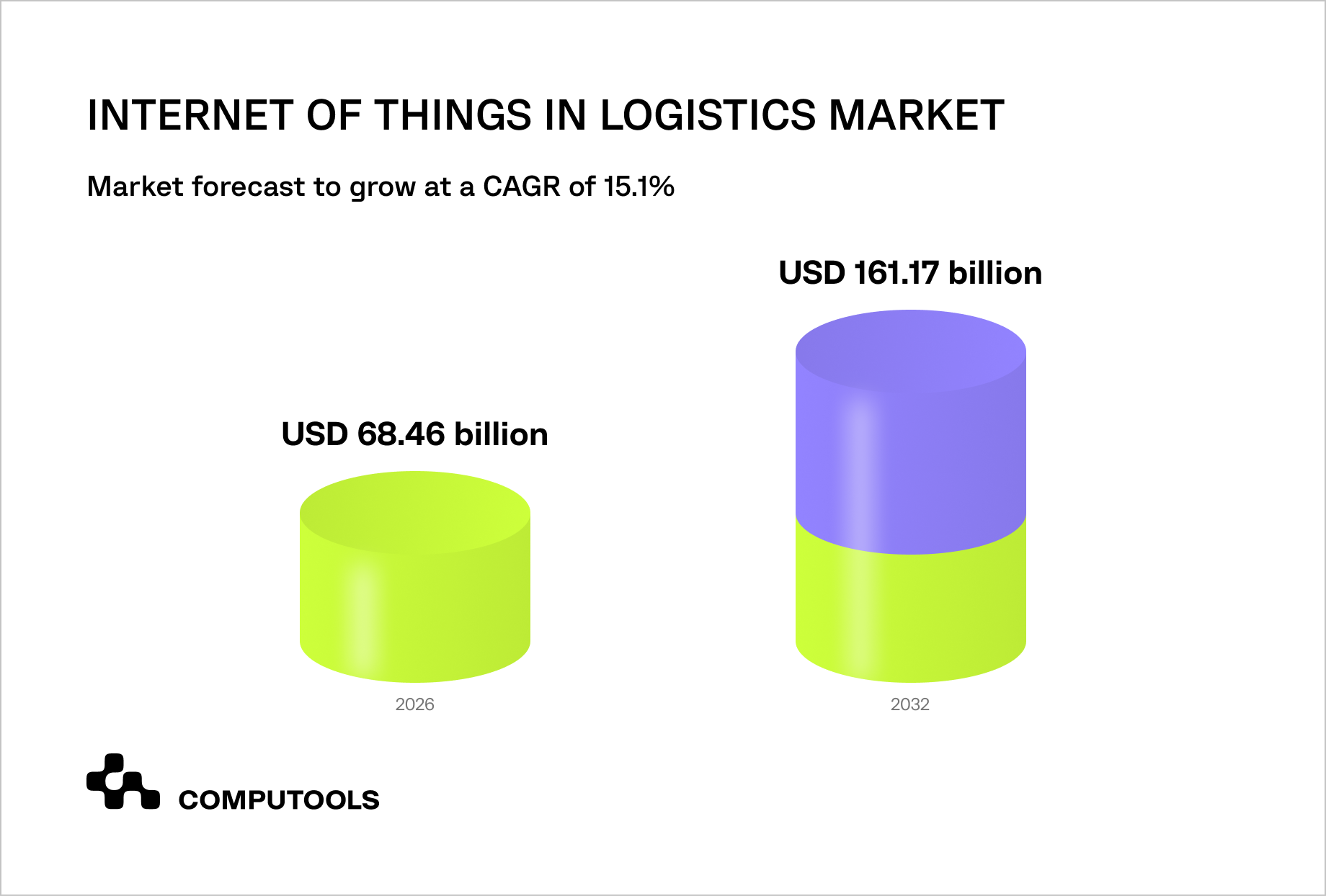
These trends explain why logistics operators are increasingly investing in digital platforms that combine operational data, fleet telemetry, and real-time shipment signals to improve fleet utilization.
Even a 5–10% improvement in capacity utilization can significantly increase revenue while reducing fuel consumption, delivery delays, and operational costs.
An example of this approach in practice can be seen in the LOCARGO platform developed by Computools.
How we built an IoT-powered logistics platform: the LOCARGO case
Our experience building logistics platforms includes the LOCARGO project, a Texas-based B2B freight marketplace connecting carriers, independent drivers, and local businesses around the Port of Houston.
The client aimed to transform fragmented local transport capacity into a digital marketplace that enables multiple carriers to respond to freight demand in real time. However, coordinating independent drivers, small trucking companies, and shipment requests from multiple customers created operational complexity and limited visibility into available fleet capacity.
To solve this, our team delivered a scalable platform through ground transportation software development, creating a digital ecosystem that connects shipments, vehicles, and dispatch operations in a single environment.
The system incorporated IoT development services, enabling real-time fleet monitoring through GPS tracking and telematics integration. These connected signals provided continuous visibility into vehicle locations, shipment status, and available transport capacity.
To support smarter dispatch decisions, we implemented IoT data analytics for logistics, allowing the platform to process operational signals and distribute loads across available drivers more efficiently.
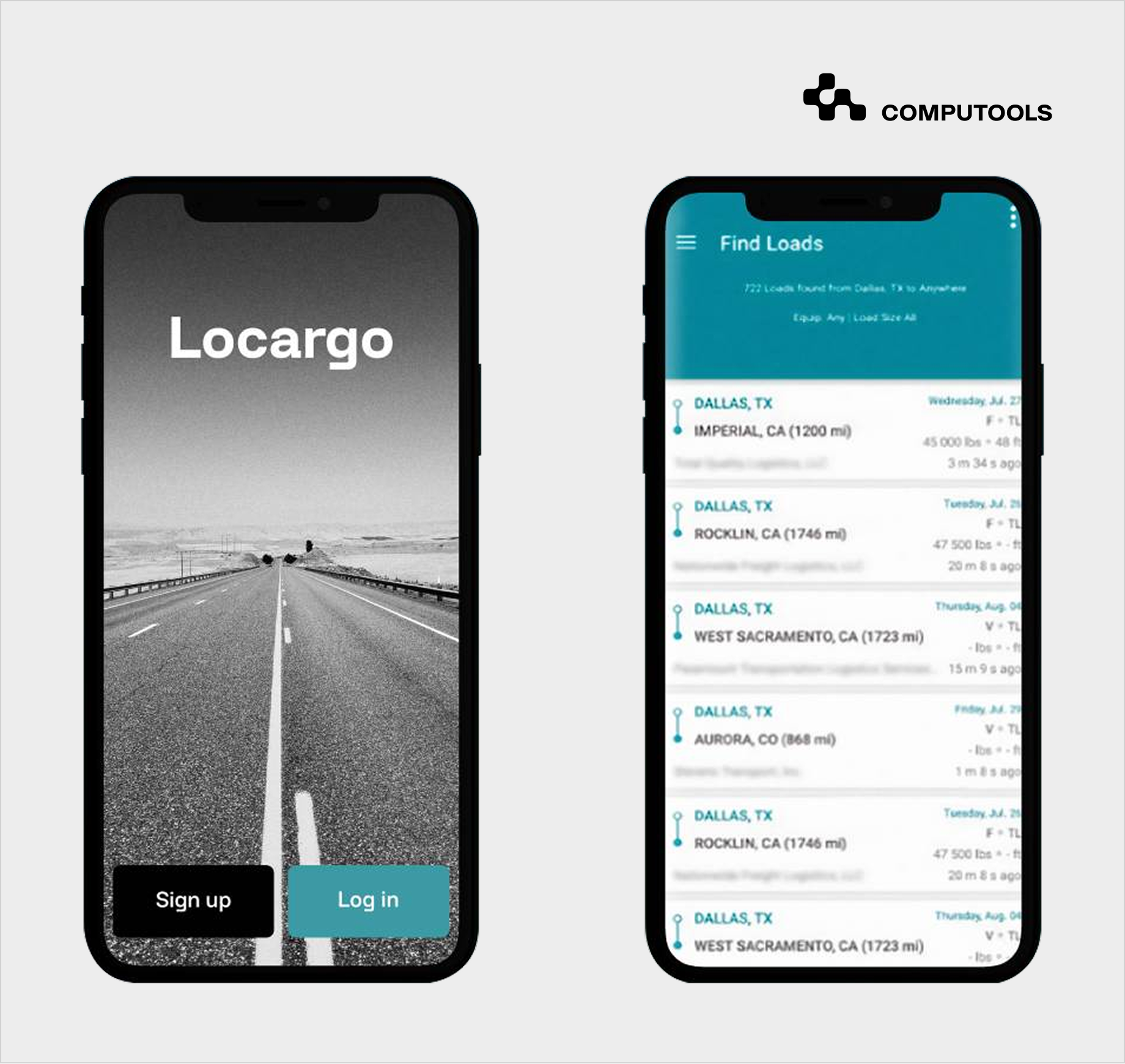
The solution included a dispatch portal for logistics operators, mobile applications for drivers, route optimization algorithms, Google Maps integration for navigation, and automated document management for shipment records and invoicing.
As a result, LOCARGO evolved from a regional cargo operator into a collaborative logistics marketplace connecting multiple carriers and drivers. By improving visibility into available fleet capacity and enabling dynamic load allocation across drivers, the platform significantly increased operational efficiency. Within two years, the client reported a fivefold increase in revenue.
How to build IoT-enabled load optimization software for logistics companies in 10 steps
With extensive experience delivering digital platforms for transportation companies through our logistics software development services, we understand the architectural and operational challenges of building load optimization systems. Based on this expertise, the following steps outline how to design and develop IoT-enabled load optimization software.
Step 1. Define optimization objectives and operational constraints
The first step in building load optimization software for logistics is understanding how transportation capacity is actually used in day-to-day operations. Before designing algorithms or system software architecture, companies need a clear picture of what exactly should be optimized.
In most logistics environments, capacity is defined by several factors at once: vehicle weight limits, available cargo volume, pallet positions, and equipment requirements such as refrigeration or specialized trailers. Deliveries are rarely simple point-to-point movements. Many shipments are executed through multi-stop routes where loads must be distributed across several delivery points while respecting service-level agreements and delivery time windows.
Operational constraints also play a critical role in load planning. Cargo compatibility rules, restricted delivery zones, vehicle access limitations in cities, and driver working-hour regulations all influence how shipments can be combined within a single route. These constraints must be clearly documented before introducing optimization logic; otherwise, the system may generate routes that are theoretically efficient but impractical to execute.
At this stage, logistics teams also need to define the operational metrics that the system will improve. Typical KPIs include fleet utilization rate, empty miles, cost per delivery stop, on-time delivery performance, average dwell time at customer locations, and the time required to prepare dispatch plans. These indicators determine what operational signals the system must track in real time and how optimization decisions will be evaluated.
In practice, this step often reveals where the largest inefficiencies occur, whether trucks run partially loaded, routes are poorly sequenced, or dispatch decisions are made without visibility into available fleet capacity.
In the LOCARGO project, we started by mapping the processes for creating orders, tracking deliveries, and assigning shipments to drivers. The analysis showed that capacity utilization varied significantly across vehicles and routes. By measuring these patterns, we identified where unused transport capacity was located and formalized the operational rules for distributing loads across participating drivers in the platform.
Step 2. Establish real-time fleet visibility
Once optimization objectives are defined, the next step is ensuring that the system has continuous visibility into fleet operations. Without reliable operational signals from vehicles and drivers, any load optimization logic will rely on outdated or incomplete data.
This is where IoT fleet management systems become essential. Connected devices and telematics platforms allow logistics operators to monitor vehicle locations, driver activity, and shipment progress in real time. GPS signals, driver mobile applications, and vehicle telemetry together provide a live operational picture of the transportation network.
Real-time fleet visibility enables dispatch systems to understand which vehicles are available, which are currently executing deliveries, and how much capacity remains on active routes. This information allows the platform to identify unused space in vehicles, detect delays, and adjust delivery assignments as conditions change.
In addition to location tracking, modern fleet monitoring often includes signals related to route progress, estimated arrival times, and delivery status updates. These signals form the operational foundation for later optimization steps, where shipments are dynamically matched with available vehicles.
In the LOCARGO platform, we implemented real-time fleet monitoring through GPS tracking integrated into the driver’s mobile application. This allowed the system to continuously track vehicle movement, driver availability, and delivery progress. Dispatchers could immediately see which drivers were available for new shipments and where unused transport capacity existed across the network.
Modern fleet management increasingly relies on connected vehicles and real-time operational data to improve dispatch coordination and vehicle utilization.
Read more in our article: IoT in Fleet Management: How Tracking Systems Redefine Logistics Operations.
Step 3. Implement real-time shipment and capacity tracking
With fleet visibility in place, the platform must also track shipment allocation and remaining vehicle capacity. Without this capability, dispatchers may know where vehicles are located but still lack insight into how efficiently they are being used.
This is where real-time load tracking software becomes critical. The system must maintain an up-to-date view of which shipments are assigned to each vehicle, how much cargo space remains available, and whether additional deliveries can be added to an existing route.
Tracking load allocation requires a structured operational data model that connects shipments, vehicles, drivers, and delivery stops. As orders are created, updated, or completed, the system continuously recalculates remaining vehicle capacity and updates dispatch information across the platform.
Real-time load tracking also supports better operational decision-making. Dispatch teams can identify partially filled vehicles, combine compatible shipments, and avoid sending trucks on routes where capacity remains unused.
In the LOCARGO solution, shipment status updates from driver applications and dispatch workflows were continuously synchronized within the platform. This allowed the system to track delivery progress and remaining vehicle capacity in real time, helping dispatchers allocate new shipments more efficiently across active routes.
Step 4. Build structured load planning and dispatch workflows
Once real-time operational data is available, logistics teams need tools to plan and coordinate deliveries efficiently. Load optimization platforms must therefore support structured dispatch workflows that translate operational data into actionable transport plans.
This is where transportation load planning software plays a key role. The platform must allow dispatch teams to review incoming shipment requests, evaluate available vehicle capacity, and assign deliveries to drivers while considering route constraints and delivery windows.
Effective load-planning systems provide dispatchers with a unified operational interface to monitor fleet availability, review shipment queues, and create delivery assignments. These systems typically combine automated recommendations with manual control, allowing dispatch teams to adjust decisions when operational conditions change.
Well-designed dispatch workflows also reduce the time required to prepare delivery plans and improve coordination between logistics operators and drivers.
In the LOCARGO project, we developed a web portal where delivery providers could manage transport requests, process orders, and monitor shipment progress. The platform connected dispatch workflows with driver mobile applications, enabling faster coordination between dispatchers and drivers while improving delivery planning across the logistics network.
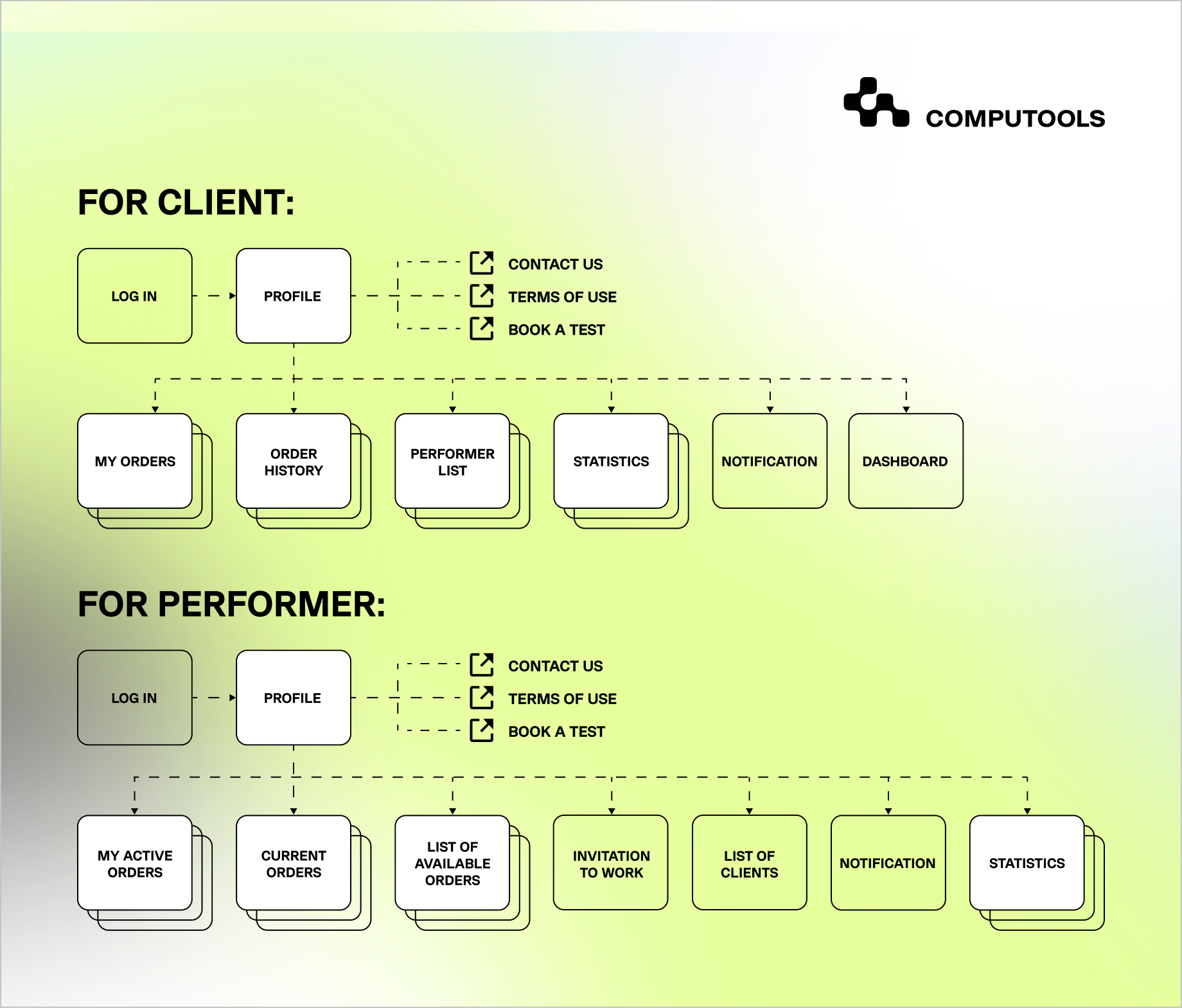
Example of dispatch workflow structure used in the LOCARGO logistics platform
Step 5. Develop route optimization and load allocation logic
At this stage, development focuses on building the platform’s core engine—the logistics route and load optimization system. This component evaluates multiple operational variables simultaneously, including vehicle location, available cargo capacity, delivery time windows, route distance, and driver availability.
Optimization engines typically operate in several stages. First, the system applies hard constraints such as vehicle capacity limits, cargo compatibility, and delivery deadlines. Next, it evaluates operational parameters, including route proximity, estimated travel time, and existing delivery schedules. Finally, the system ranks possible assignments and selects the option that minimizes travel distance while maximizing vehicle utilization.
The objective is to reduce travel time and to distribute shipments across the fleet to improve overall network efficiency. Well-designed routing and allocation systems continuously recalculate decisions as new shipment requests appear or operational conditions change.
For the LOCARGO platform, our engineers developed a distribution optimization algorithm that evaluated shipment requests against driver locations and available vehicle capacity. The system dynamically assigned deliveries to drivers operating nearby routes, allowing the platform to combine shipments and significantly improve dispatch efficiency.
Choosing the right technology partner is essential when companies aim to develop advanced logistics platforms or modernize transportation systems. Read the Top 25 Logistics Software Development Companies in 2026.
Step 6. Integrate freight coordination and operational systems
Modern logistics platforms rarely operate in isolation. They need to exchange data with mapping services, accounting systems, warehouse platforms, and other enterprise software used by logistics operators. These integrations transform optimization engines into full IoT freight management solutions that coordinate transportation processes across multiple operational systems.
Integration layers typically include APIs that connect dispatch systems, telematics platforms, navigation services, and document management tools. This allows shipment updates, vehicle signals, and delivery confirmations to move seamlessly between systems.
The result is a unified operational environment where logistics teams can coordinate freight flows, monitor delivery performance, and coordinate transport activities without switching between multiple tools.
In the LOCARGO case, the platform integrated Google Maps for navigation and route monitoring while also supporting administrative workflows such as order management and invoicing. These integrations allowed dispatch teams to manage operational processes and delivery coordination within a single digital environment.
Step 7. Enable analytics and operational insights
Logistics platforms continuously generate large volumes of data from vehicle movements, delivery events, shipment status updates, and driver activity. Without proper analytics, this data remains underutilized and cannot support better operational decisions.
Through supply chain optimization with IoT, logistics companies can analyze fleet performance and identify patterns that influence transport efficiency. Key performance indicators such as fleet utilization rate, empty miles, delivery times, cost per stop, and route efficiency help operators assess how effectively the network is functioning.
Analytics modules typically include operational dashboards that visualize network delivery flows. Dispatch teams can monitor active routes, identify vehicles running partially loaded, and detect recurring inefficiencies in route planning or shipment allocation. Over time, these insights allow organizations to refine dispatch strategies, adjust routing logic, and improve resource allocation.
Advanced platforms also begin analyzing historical operational data to support predictive planning. By understanding seasonal shipment patterns, regional demand fluctuations, and recurring operational bottlenecks, logistics companies can anticipate capacity requirements and improve long-term planning.
In the LOCARGO ecosystem, operational data from vehicle monitoring, delivery workflows, and dispatch operations was aggregated into the platform’s analytical layer. This allowed the client to monitor fleet utilization and evaluate dispatch performance across participating drivers. These insights helped refine shipment distribution strategies and improve the overall efficiency of the logistics marketplace.
Step 8. Introduce automated capacity balancing
Once analytics capabilities are in place, logistics platforms can begin automating load allocation decisions. The goal is to reduce manual dispatch coordination while ensuring that available transport capacity is used as efficiently as possible.
This stage focuses on smart fleet optimization with IoT, where real-time operational data from vehicles and shipments is used to dynamically balance cargo distribution across the fleet. Instead of assigning deliveries manually, the system evaluates available capacity, route compatibility, and delivery time windows to recommend or automatically assign shipments to appropriate vehicles.
Automated load balancing significantly improves dispatch efficiency. Dispatch teams no longer need to manually review every shipment request or compare available drivers. The system continuously evaluates the transportation network and identifies the most efficient allocation options based on current operational conditions.
Automation also helps logistics operators respond more quickly to operational disruptions. If a driver becomes unavailable, a delivery is delayed, or a shipment is cancelled, the system can recalculate route assignments and redistribute loads across the fleet with minimal manual intervention.
In our case, the optimization algorithm continuously evaluated shipment requests and matched them with drivers operating in nearby areas. By dynamically distributing deliveries across available vehicles, the platform used previously unused transport capacity and reduced the need for manual dispatch coordination.
Step 9. Expand operational visibility across the logistics network
Dispatch teams must be able to monitor not only individual shipments but also the overall performance of the transportation network.
Through IoT in transportation management, connected vehicles, driver applications, and logistics systems continuously provide operational signals that allow companies to monitor transport activities in real time. These signals include vehicle locations, delivery status updates, route progress, and estimated arrival times.
This level of operational transparency allows logistics companies to coordinate transport activities across multiple carriers and drivers more effectively. Dispatch teams can identify delays, detect route deviations, and respond quickly to operational disruptions before they affect delivery schedules.
Real-time visibility also improves collaboration between logistics partners. In many transportation ecosystems, multiple companies participate in freight operations. Shared visibility into shipment status and vehicle availability enables better coordination across partners and reduces communication delays between dispatch teams and drivers.
The LOCARGO platform provided dispatchers with a real-time operational view of the entire transportation network. Through continuous monitoring of driver activity and delivery status updates, operators could track shipment progress, identify potential delays, and adjust delivery assignments when necessary.
Step 10. Design the platform for long-term scalability
The final stage focuses on ensuring that the logistics platform can support long-term growth. As logistics ecosystems expand, the number of shipments, vehicles, and participating partners can increase rapidly. Without a scalable system architecture, performance issues may emerge as operational volumes grow.
Modern platforms, therefore, rely on modular architectures that separate operational components into independent services. This approach allows engineering teams to scale different parts of the system independently as demand increases. Cloud infrastructure, distributed data processing, and flexible API layers ensure the platform can support large volumes of operational data without degrading performance.
Scalability also involves building governance mechanisms that support ecosystem growth. These may include partner onboarding processes, role-based access control, performance-monitoring dashboards, and dispute-resolution workflows. These features ensure that logistics platforms remain transparent and manageable even as new participants join the network.
This approach represents smart logistics platform development, in which the system evolves from a single operational tool into a digital ecosystem capable of coordinating transportation activities among multiple carriers, drivers, and logistics partners.
As the LOCARGO marketplace expanded, the platform architecture allowed new drivers and delivery providers to join the ecosystem without disrupting existing workflows. This scalable design helped transform the system into a collaborative logistics platform capable of supporting a growing transportation network.

Launch your IoT-enabled load optimization platform within 1–3 months instead of years, maximize cargo utilization, reduce transportation costs, and make every shipment more efficient.
Benefits of IoT logistics optimization software for logistics companies
Modern IoT logistics optimization software allows logistics operators to move from static dispatch planning to dynamic, data-driven transport coordination. By combining vehicle telemetry, shipment tracking, and route optimization algorithms, companies can significantly improve the use of transport capacity across the network.
- Higher fleet utilization. Real-time operational data allows dispatch systems to identify partially loaded vehicles and consolidate compatible shipments along existing routes. In many logistics programs, this can increase fleet utilization by 10–25%, reducing empty miles and improving revenue per vehicle.
- Faster dispatch and load allocation. Systems that incorporate automated load balancing software can evaluate shipment requests, vehicle capacity, and route compatibility in seconds. Instead of manually reviewing dispatch options, the platform automatically proposes the most efficient assignment, reducing planning time and enabling faster shipment allocation.
- Improved delivery reliability. Through IoT-enabled logistics software, dispatch teams gain real-time visibility into vehicle movements, shipment progress, and driver activity. This allows operators to detect delays early, adjust routes, and maintain higher on-time delivery rates across the transportation network.
- Scalable logistics operations. Many modern platforms rely on cloud-based logistics optimization tools that process operational signals from multiple fleets simultaneously. This architecture allows logistics companies to expand delivery volumes, onboard new carriers, and scale operations without rebuilding core dispatch infrastructure.
Together, these capabilities allow logistics operators to reduce operational costs, improve vehicle productivity, and build transportation networks that adapt quickly to changing demand.
Challenges of building IoT-powered logistics optimization platforms
Despite the clear operational benefits, developing IoT-driven logistics platforms presents several technical challenges that companies often underestimate.
- Fragmented operational data. Fleet telemetry, shipment management systems, driver applications, and dispatch tools often operate as separate systems. Synchronizing these signals into a single operational model requires a complex integration architecture and reliable data pipelines capable of processing continuous event streams.
- Real-time decision complexity. Load optimization systems must evaluate multiple variables simultaneously: vehicle capacity, shipment priority, route distance, delivery time windows, and driver availability. As fleet size and shipment volumes grow, optimization engines must process thousands of operational events without slowing down dispatch operations.
- Scaling algorithms for real-world logistics. Algorithms that work well in simulation environments often struggle in real transportation networks where operational disruptions are constant. Route delays, last-minute shipment requests, and driver availability changes require systems that can continuously recalculate load allocation decisions.
- Platform flexibility and customization. Many logistics companies operate with unique workflows, fleet structures, and cargo requirements. For this reason, organizations frequently invest in custom IoT software for logistics companies, allowing platforms to reflect their operational processes rather than forcing businesses to adapt to rigid off-the-shelf systems.
- Operational governance across multiple participants. When platforms connect multiple carriers and drivers, the system must enforce clear allocation rules, access control policies, and performance monitoring. Without these mechanisms, collaborative logistics platforms quickly become difficult to manage.
Efficient load distribution often depends on intelligent route planning that helps logistics companies minimize travel distance and delivery delays. Explore this topic in our article: Route Optimization Software: A Must-Have Tool for Modern Logistics Businesses.
Why companies choose Computools for logistics platform development
Computools helps logistics companies design and implement digital platforms that improve fleet coordination, shipment visibility, and transport planning across complex transportation networks.
Our teams combine logistics domain expertise with advanced engineering capabilities in IoT platforms, distributed system architecture, data engineering, and AI development services. This allows us to build systems that process operational signals from vehicles, drivers, and shipments in real time, continuously improving dispatch and load-allocation decisions.
Today, Computools brings together 250+ in-house engineers, including software developers, solution architects, data specialists, and DevOps experts focused on building scalable logistics platforms.
Over 12+ years, we have delivered digital solutions for transportation companies worldwide, including fleet monitoring systems, freight marketplaces, and dispatch optimization platforms.
Our portfolio includes 40+ logistics and maritime software projects in which digital platforms helped companies modernize operations and improve transport efficiency.
Operational impact of our custom logistics platforms
Typical operational improvements observed in tailored logistics transformation programs.
| Area of impact | Measurable improvement | Operational effect |
| Delivery speed | 45% faster delivery operations | Automated dispatch coordination and optimized transport workflows |
| Operational efficiency | 35% lower operational costs | Higher fleet utilization and reduced manual planning |
| Customer experience | 23% higher customer satisfaction | Real-time shipment visibility and more predictable deliveries |
Our experience includes projects such as the LOCARGO logistics marketplace, where we helped transform a regional cargo operator into a collaborative digital platform connecting drivers, carriers, and businesses across Texas.
If you are planning to build or modernize a logistics optimization platform, our team will be glad to discuss your project. Contact us: info@computools.com.
To sum up
Modern logistics operations rely on accurate data, quick coordination, and optimal use of transport capacity. Platforms that offer real-time fleet visibility, smart load planning, and a scalable system architecture help companies reduce empty miles, increase dispatch efficiency, and respond faster to operational changes.
As transportation networks grow more complex, digital platforms that integrate operational data and automated planning tools will become vital for maintaining efficiency and dependability throughout logistics operations.
Computools
Software Solutions
Computools is an IT consulting and software development company that delivers innovative solutions to help businesses unlock tomorrow.