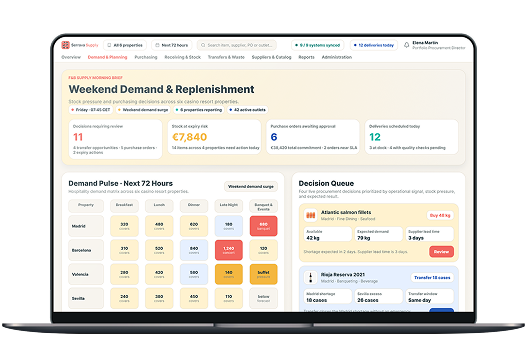
The client operates six land-based casino properties across Spain, with restaurants, bars, banquet spaces, entertainment venues, and hotels. Purchasing and stock control were split between local systems, spreadsheets, and outlet-level routines.
Computools built Serrava Supply as a hospitality procurement and inventory management platform connecting demand, purchasing, receiving, stock transfers, waste tracking, and reporting across the portfolio. The platform gave buyers and outlet teams one shared view of stock, expected deliveries, and upcoming demand.
During the six-month measurement period, food waste per 100 covers decreased by 24%, purchase-order approval time fell by 37%, emergency buying dropped by 29%, and inventory variance decreased by 18%.
The client manages a six-property casino resort portfolio across Spain, combining gaming, accommodation, dining, nightlife, events, and entertainment. Its food and beverage operations include bars, buffet restaurants, signature dining, banquet service, and event catering.
Central buyers negotiated selected supplier agreements, while local teams handled daily replenishment and receiving. The client lacked hospitality procurement software that could provide a consistent stock picture across kitchens, bars, storerooms, and properties.
This made hospitality inventory management difficult during weekend peaks and major events. Local teams sometimes reordered items already available elsewhere, while changes in occupancy, reservations, and event demand reached purchasing too late to prevent shortages or excess perishable stock.
The main problem was the disconnect between future demand and current purchasing decisions. Hotel occupancy, restaurant reservations, banquet commitments, entertainment schedules, and recent sales lived in separate applications.
The client needed stronger food and beverage inventory management to connect physical stock with expected consumption, shelf life, supplier lead times, and event demand. It also needed hospitality purchasing software capable of standardizing requisitions, approvals, receiving, and supplier data across six independently operating properties.
The engagement required land-based casino software development experience because purchasing workflows had to support continuous hospitality operations without disrupting restaurants, bars, hotel service, or major events.
Computools developed Serrava Supply around the operator’s existing finance, hospitality, supplier, and point-of-sale systems. The project combined travel and hospitality software development with multi-property procurement workflows, inventory control, and operational reporting. The platform used data engineering to support product normalization, unit-of-measure consistency, supplier mappings, and the reconciliation of inventory records across properties.
The inventory replenishment software used current stock, expected consumption, usable shelf life, minimum order quantities, lead times, and safety stock to generate replenishment recommendations. Buyers reviewed each proposed order before release. The hospitality demand planning software combined sales, restaurant covers, hotel occupancy, and confirmed event requirements to give procurement teams earlier visibility into upcoming demand.
The platform also introduced procurement workflow automation for requisitions, approval routing, receiving, stock transfers, and exception handling. Approval thresholds could reflect budgets, supplier terms, and outstanding commitments.
The food waste management software captured waste quantities and reason codes alongside inventory movements. This helped managers distinguish spoilage from counting errors, transfer gaps, and recipe-yield differences.
Mobile tools supported receiving, barcode-assisted counts, discrepancy capture, and outlet transfers. Dashboards covered food waste, emergency purchasing, inventory variance, supplier performance, and approval cycle time.
Serrava Supply improved inventory accuracy, purchasing speed, demand visibility, and control over perishable stock across the six-property portfolio:
Better hospitality inventory optimization reduced the need to hold excess stock as a buffer against unreliable inventory data. Buyers could see on-hand quantities, open orders, expected arrivals, and upcoming demand before approving another purchase.
Through web development, buyers and outlet teams gained a shared interface for stock visibility, approvals, receiving, and replenishment decisions across all six properties.
Earlier shortage signals also reduced emergency buying, while controlled receiving and transfer records improved the accuracy of physical inventory. Waste and availability were monitored together so stock reductions did not come at the cost of menu availability.
The project combined six active casino properties, outlet-level inventory operations, financial controls, and demand signals from hotel, restaurant, and event systems.
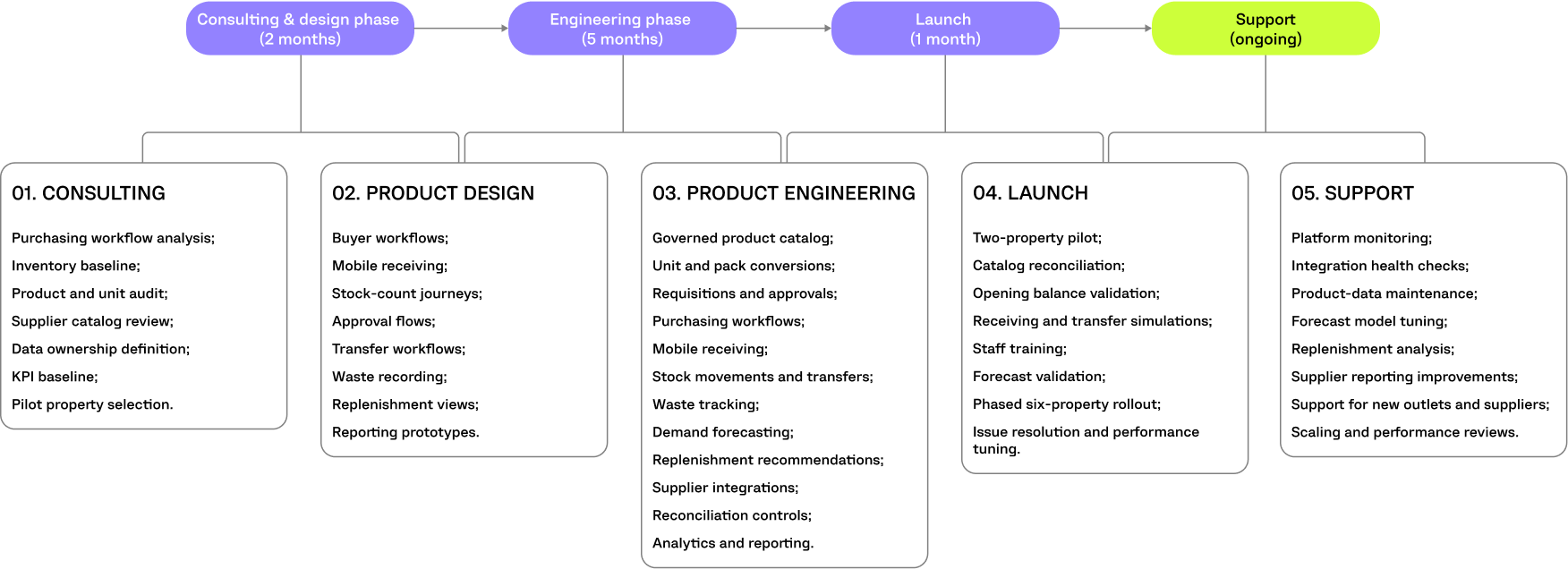
Computools structured delivery around product-data standardization, reliable mobile transaction capture, and a two-property pilot before forecasting was expanded across the portfolio. This sequencing allowed the team to validate stock movements, approval rules, and opening balances before using them for replenishment decisions. Delivery remained tied to food waste, emergency buying, approval time, inventory variance, and reporting effort.

The design focused on the places where inventory data is captured: receiving areas, storerooms, kitchens, bars, and procurement offices. Mobile screens prioritized quick physical tasks, while desktop views supported comparison, approval, and investigation.
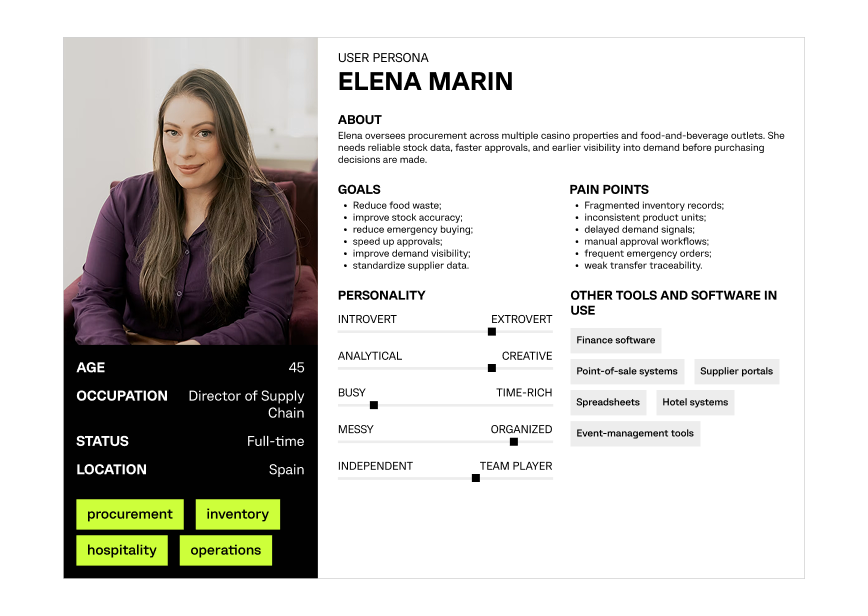
Defining the needs of a hospitality procurement leader responsible for purchasing, stock visibility, supplier coordination, and inventory performance.
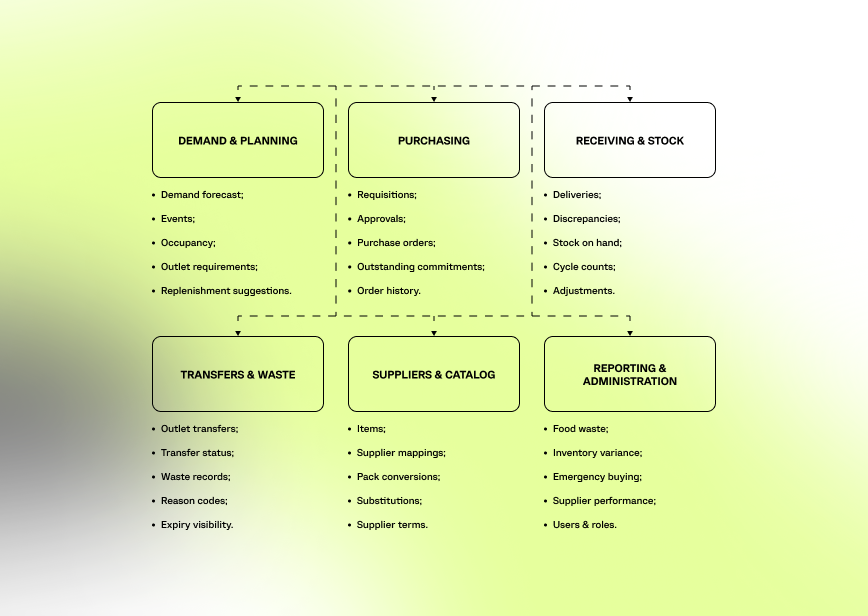
Organizing purchasing, stock control, replenishment, waste, suppliers, and reporting within one hospitality operations workspace.
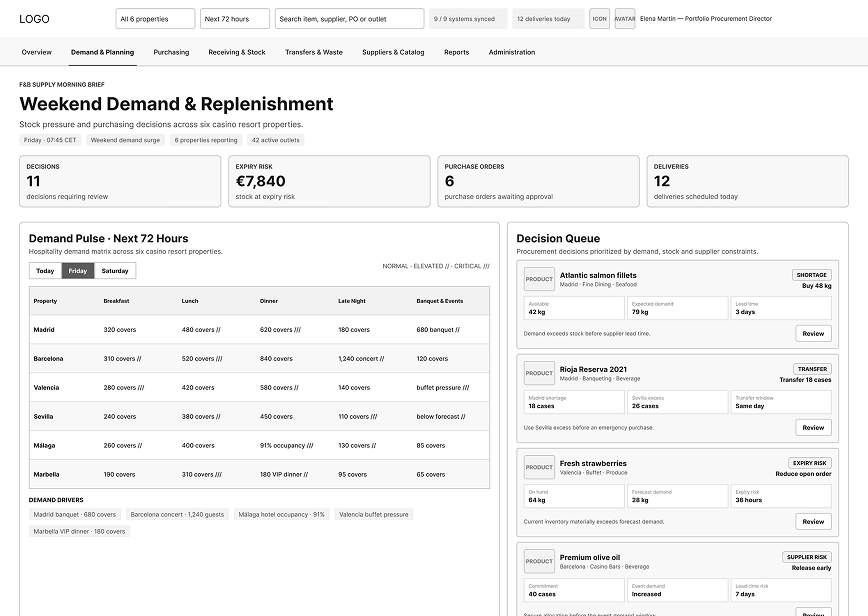
Testing receiving, stock counting, requisition approval, transfers, waste recording, and replenishment workflows before interface development.
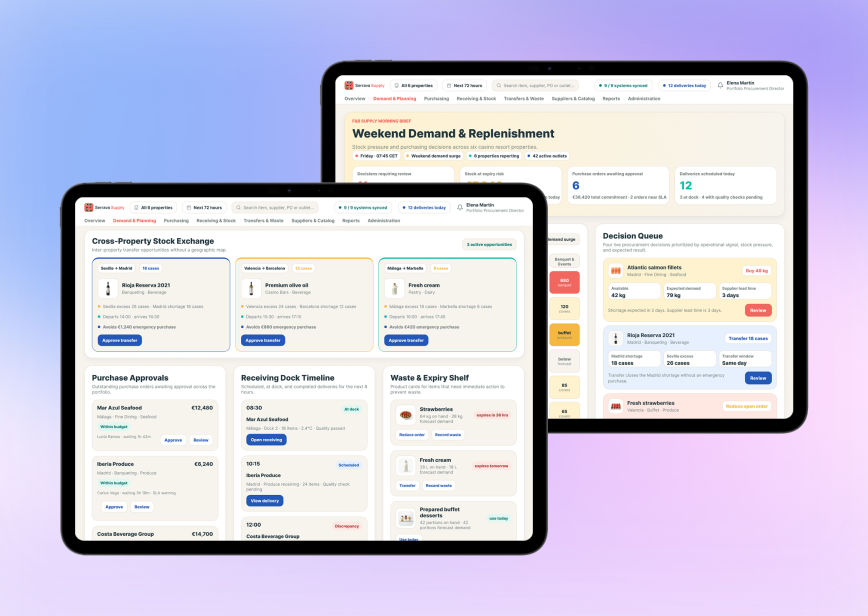
Creating responsive procurement and mobile inventory tools for fast physical stock handling and purchasing control.

TypeScript
TypeScript supported consistent contracts for products, quantities, units, orders, approvals, stock movements, and integration events.

Next.js and React
Next.js and React powered purchasing dashboards, order review, item administration, and mobile receiving and inventory screens.

Node.js and NestJS
Node.js and NestJS handled requisitions, approvals, receiving, transfers, notifications, and system synchronization. APIs, webhooks, and scheduled imports connected finance, supplier, hospitality, and point-of-sale applications.

PostgreSQL and Redis
PostgreSQL stored item mappings, orders, stock movements, count observations, supplier references, and approval history. Redis supported short-lived caching and background job coordination.

Python and FastAPI
Python and FastAPI supported demand forecasting, reorder recommendations, and anomaly detection using sales, confirmed events, occupancy expectations, and supplier lead times.

AWS, Docker, and Terraform
AWS supported cloud infrastructure and monitoring, Docker standardized deployment environments, and Terraform automated infrastructure configuration and releases.
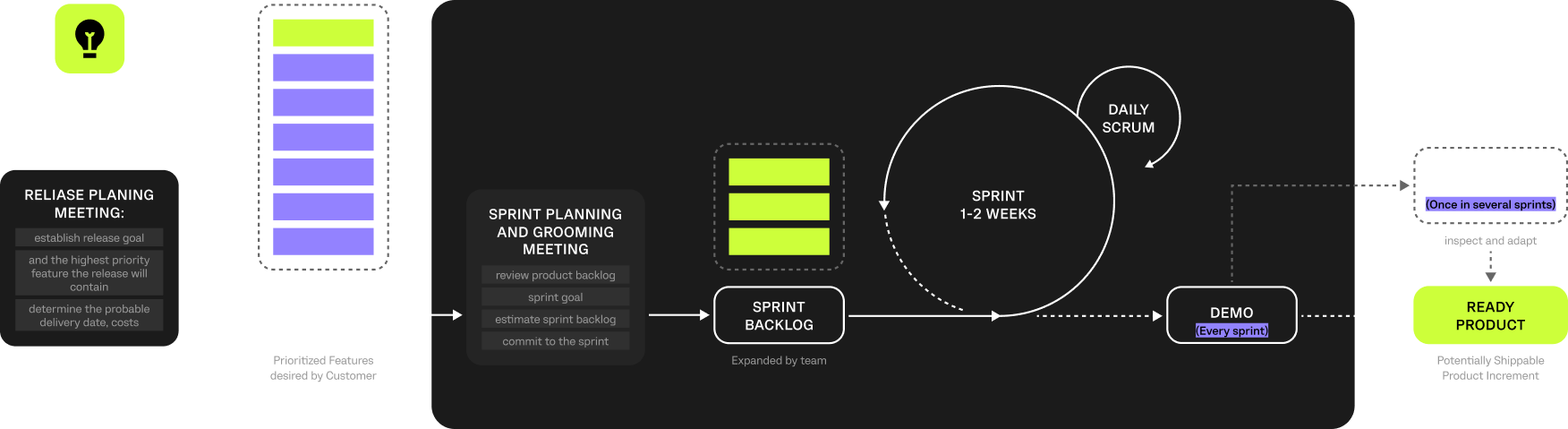
Computools used two-week Scrum iterations with procurement, outlet operations, and finance representatives validating workflows throughout delivery. Acceptance criteria covered product conversions, approval routing, transaction reconciliation, integration reliability, and mobile usability.
The two-property pilot tested partial deliveries, rejected goods, duplicate imports, stock transfers, and inventory corrections. Forecasting was introduced only after transaction capture and opening balances were stable enough to support reliable replenishment decisions.
Before Serrava Supply, we tended to over-order because the stock numbers were never quite trustworthy. Now we can see what’s actually available, what’s coming in, and what each property is likely to need next. That means fewer last-minute purchases, less waste, and much less time spent checking spreadsheets and chasing approvals.




Computools | 341 Raven Cir, Camden Wyoming, Delaware 19934, US