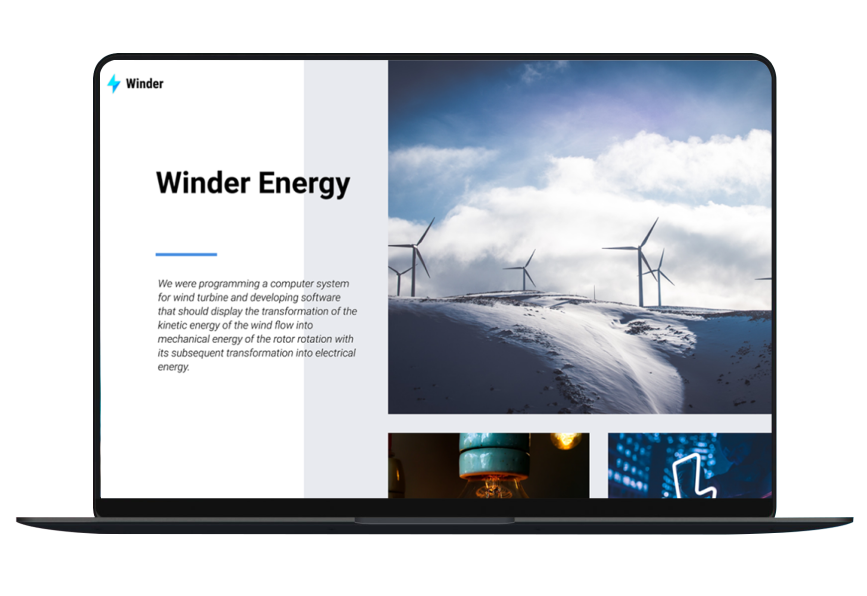
Our client operates the region’s largest wind farm. Choosing positions for new turbines relied on expert-led empirical research because complex multi-parameter calculations could not run in real time. Computools built a system that combines topology, weather, and device data with turbine characteristics, predicts generation output, and lets engineers test what-if scenarios for location and direction. Decision time for new turbine installation dropped by 50%.
The client operates the region’s largest wind farm, with 600 MW of installed capacity. The company uses digital tools to improve turbine placement decisions, generation planning, and operational performance across different terrain conditions.
Projects of this type require renewable energy software development services that reflect how generation assets, weather conditions, terrain, and field data affect long-term energy output.
Placing generating equipment well depends on terrain, weather, and each turbine’s characteristics. The existing approach relied on complex multi-parameter algorithms and expert-led empirical research, and it could not calculate results in real time.
The client needed a system that could combine topological, weather, and device data, process turbine characteristics, and support faster engineering decisions for new turbine installation. Data engineering was central to the challenge because the system had to turn fragmented operational inputs into a reliable calculation flow.
Computools delivered a system that helps the client’s engineers choose turbine positions for optimal generation. It combines topological, weather and device data with turbine characteristics, predicts generation output, and supports what-if analysis of locations and direction.
The platform was adapted to different terrains and maintained as new data came in. Computools turned complex engineering calculations into a practical decision-support tool for wind farm planning.
The system gave the client a faster and more consistent way to plan new turbine installation across different terrain conditions.
Computools fit the project because the team could work with complex engineering logic, operational data and domain-specific requirements.

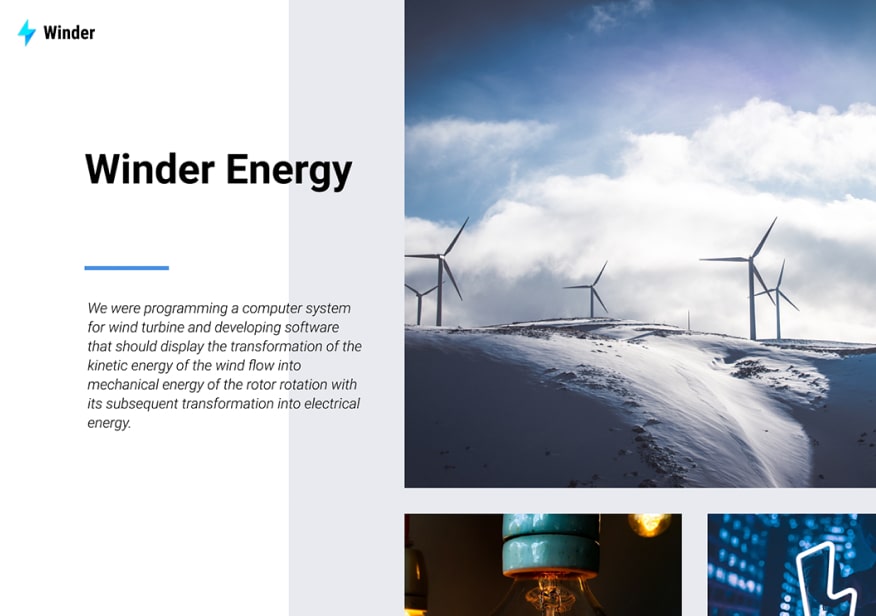
The main design goal was to visually present information about the project, make it understandable and attractive to the target audience and create a positive visual perception of the company and its product.
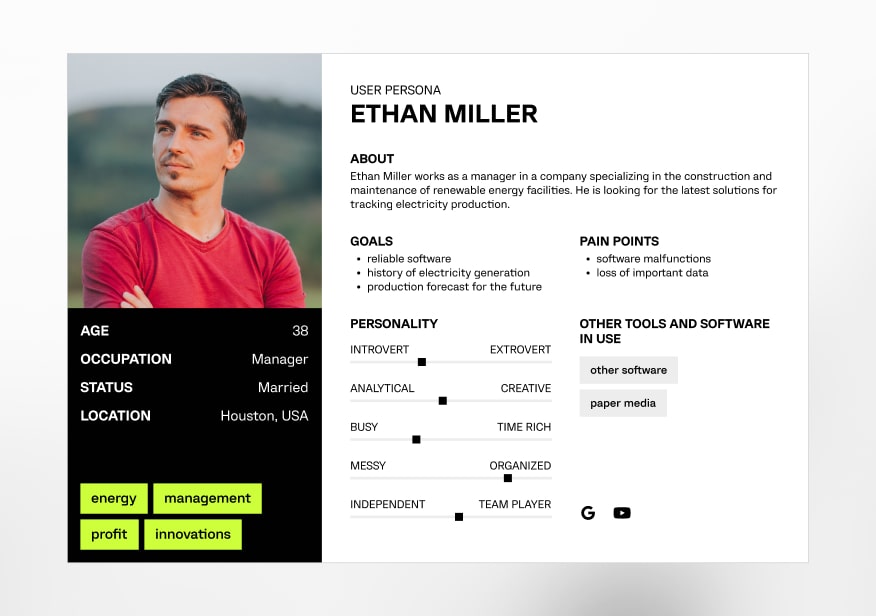
Creating detailed user profiles for design guidance.
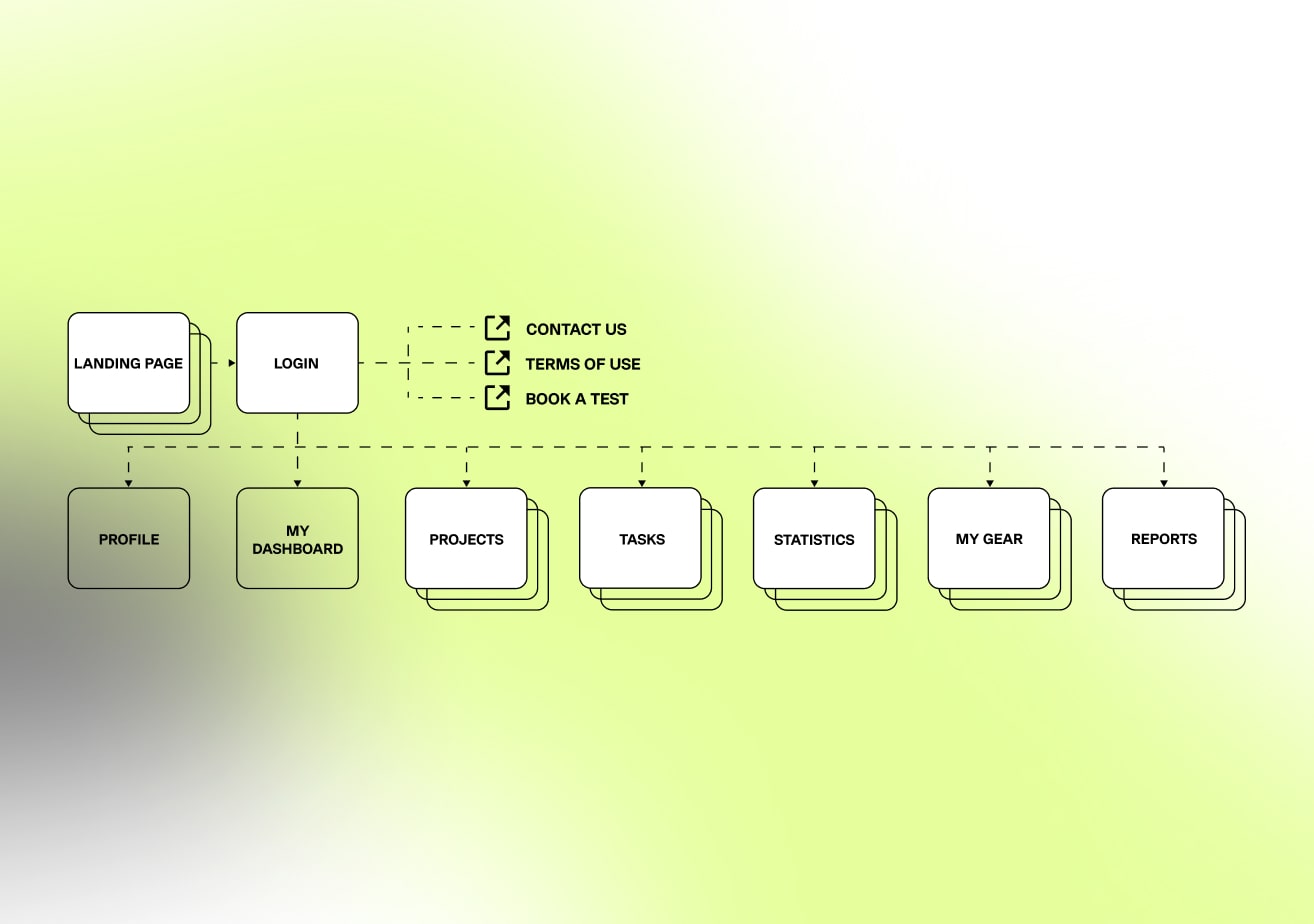
Structuring the website's layout and navigation.
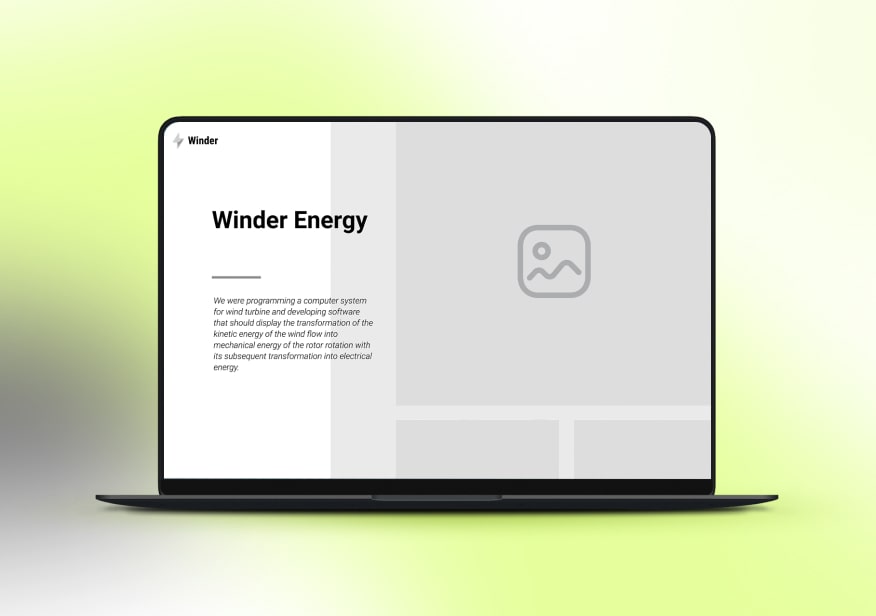
Drafting visual layouts for web page design.
Crafting the interactive elements of the website.

Java
Java was chosen to build the system's foundation due to its robustness and efficiency. It enables fast data processing and facilitates the development of powerful algorithms essential for handling the system's complex calculations.

Golang
GO was utilised for parts of the system where high performance and scalability were crucial. Its efficiency in handling concurrent tasks and its strong support for parallelism made it suitable for components requiring rapid processing and scalability.

Angular
Angular was selected to develop the system's front end to ensure a great user interface and easy navigation. Its comprehensive framework offers features like two-way data binding and modular development, enhancing the user experience.

Flutter
Flutter was employed to develop mobile applications, enabling customers to access the system seamlessly on their mobile devices. Its cross-platform compatibility and fast development cycle ensured efficient mobile app deployment.
C++
C++ was used for specific tasks related to optimisation and performance, particularly for critical system parts. Its low-level capabilities and efficient memory management enhanced the performance of these components.

Docker
Docker was chosen to package applications and their dependencies into containers, simplifying deployment. Its containerisation approach ensures consistency across different environments and streamlines the deployment process.

Kubernetes
Kubernetes managed these containers, providing load balancing and fault tolerance. It facilitates rapid deployment and efficient management of containerised applications across multiple environments, ensuring scalability and reliability.

PostgreSQL
PostgreSQL was selected as the database solution due to its structured and reliable storage capabilities. Its support for complex queries, data integrity, and scalability made it suitable for storing structured data efficiently.

MongoDB
MongoDB stores unstructured data, providing flexibility and scalability. Its document-oriented data model and distributed architecture allow for the seamless handling of unstructured data, which is essential for certain aspects of the project's requirements.
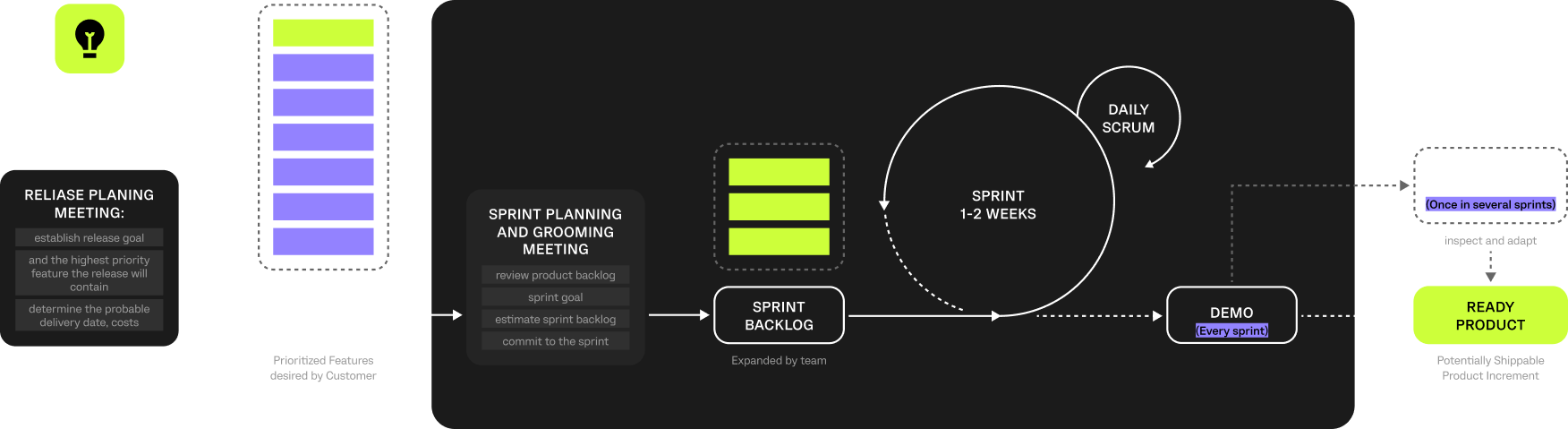
Scrum was chosen for the project because it provides regular reviews and feedback, enabling the team to improve performance in practice. Scrum also supports the involvement of experts and stakeholders by ensuring their participation in the development. Changes and updates to the project are easier to manage using Scrum, as it provides a flexible, iterative development model.
We are very pleased with the results of the Winder project. Computools’ team of experts was able to understand our complex needs.




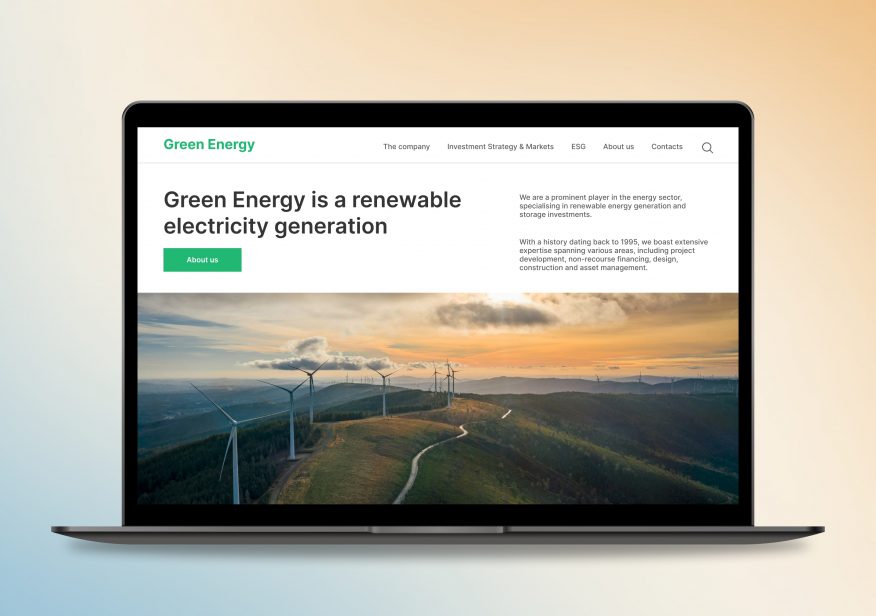
A renewable energy investment platform needed a faster way to process energy-saving loan applications and coordinate work between administrators, contractors, and sellers. Computools developed a secure web portal with role-based access, streamlined application workflows, and customized approval algorithms. The platform handled over 10,000 loan applications in two years and reduced loan decision time from 2 weeks to 2 working days.

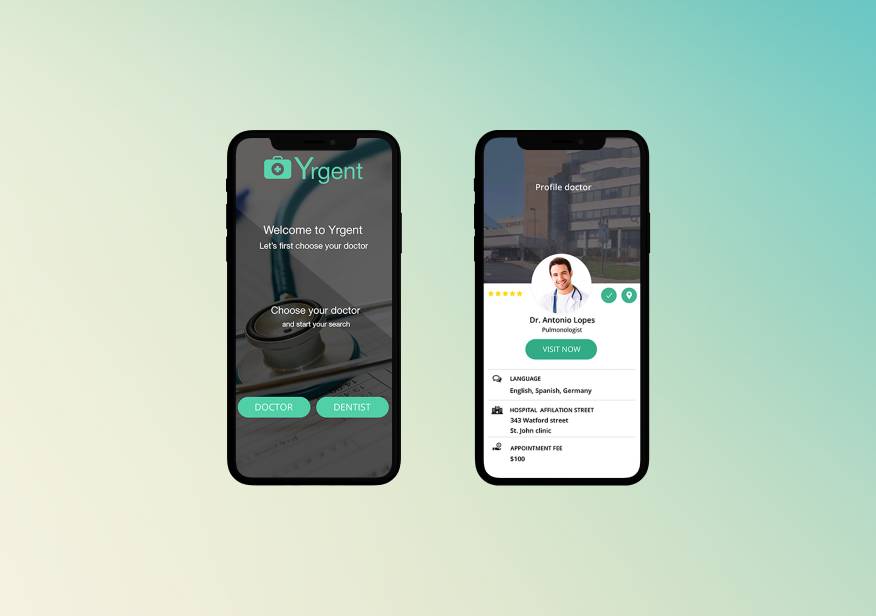
Our client, Yrgent, a California-based startup, needed a fast and reliable healthcare app. We developed a secure, user-friendly platform with geolocation, physician verification, and AI-assisted patient intake and triage. The solution helps patients describe symptoms, assess urgency, and match with the right provider based on specialty, location, and availability. The app improved access to qualified medical care and generated over 100,000 downloads in its first month.

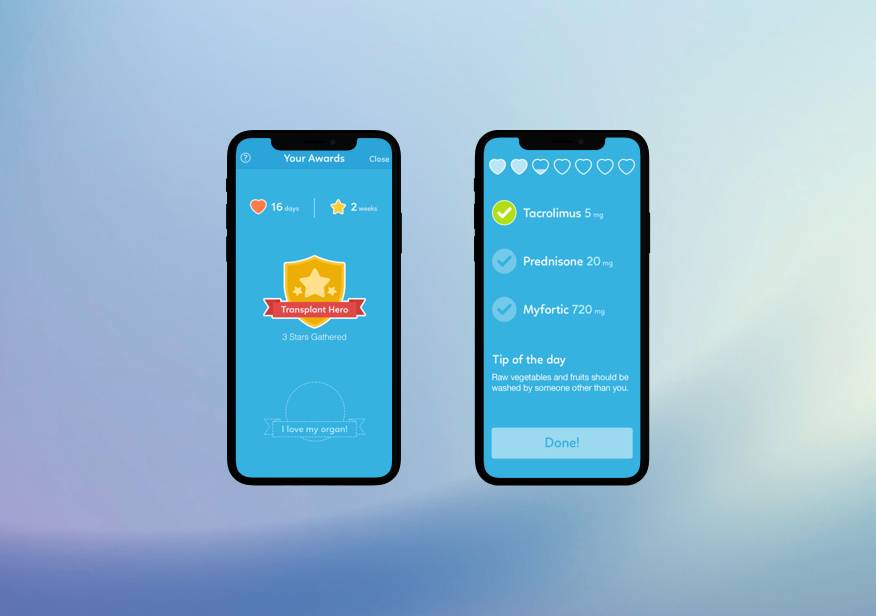
Our client, a healthcare company in the United States, needed an effective tool to help transplant patients adhere to their medication regimens. Our team developed an app with a modernised system that organises medications by time and offers an optimal user experience. The solution resulted in significant improvements for the client, including an increase in average order value, productivity, and revenue.

Computools | 341 Raven Cir, Camden Wyoming, Delaware 19934, US