
THE AUTHOR:

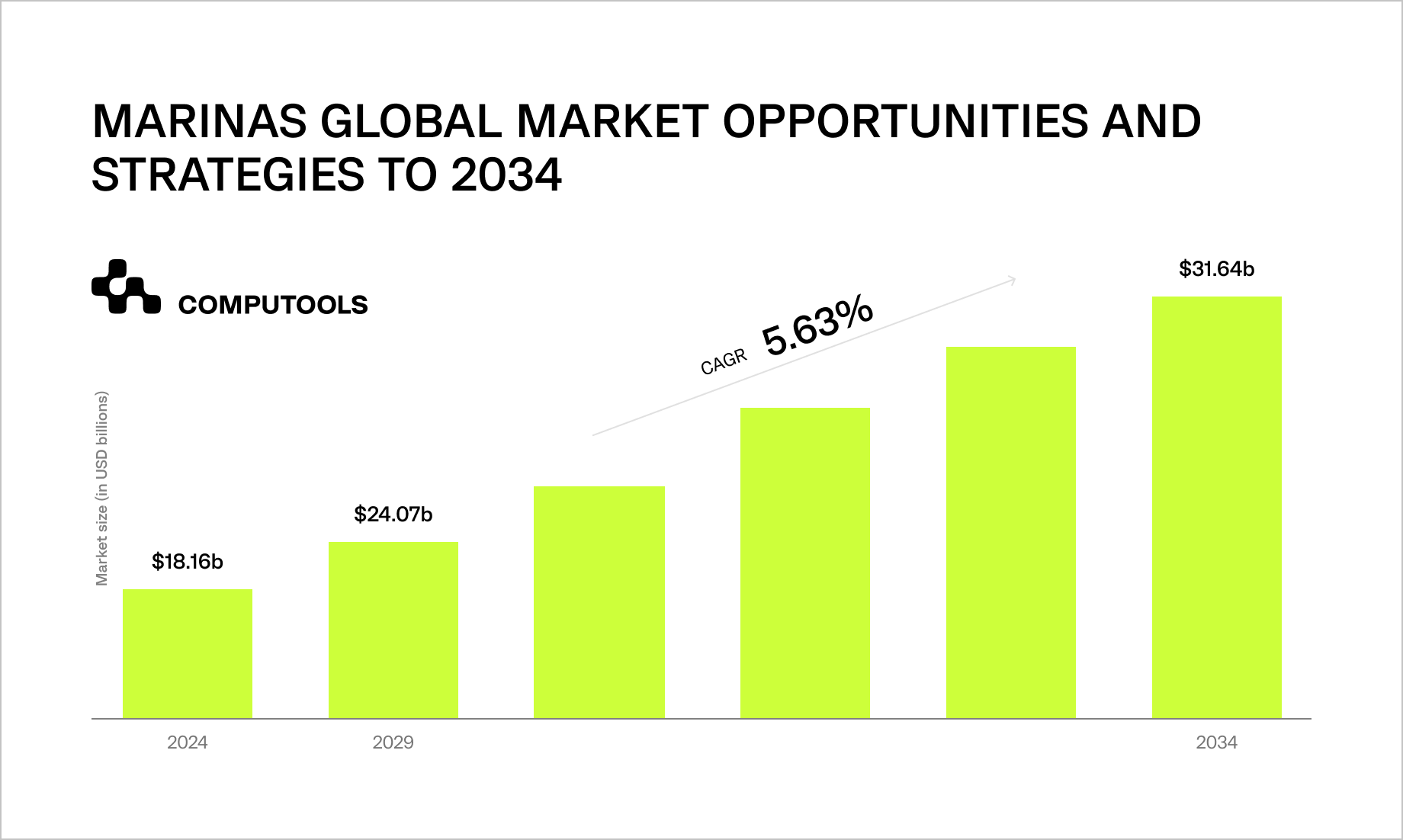
Marina operators build dock scheduling software when berth allocation, arrivals, departures, and dockside service planning become too dense for spreadsheets, phone calls, and manual updates. According to The Business Research Company, the global marinas market reached nearly $18.16 billion in 2024 and is projected to grow to $24.07 billion by 2029, which means more booking activity, tighter berth utilization, and less tolerance for scheduling errors.
Marina Dock Age’s 2025 annual survey adds the operational pressure behind that growth: the industry reported a median occupancy rate of 92%, leaving very little room for slow coordination or slot conflicts.
Berth assignment is only one part of the workflow. Teams have to manage overlapping arrivals and departures, transient and long-stay berth competition, vessel-specific fit constraints, last-minute schedule changes, utility availability, service requests, and communication between marina staff, dockhands, and front-desk teams. When those actions are handled across disconnected tools, operators lose time rebooking, confirming manually, handling exceptions, and communicating with guests.
A dock scheduling platform provides the marina with a single operational layer for berth planning, slot control, status tracking, and dockside coordination. The pressure point is especially clear in high-occupancy environments, where even small planning delays affect turnaround time and service quality.
How Computools implemented a dock scheduling platform for marina operations
HubMarine came to us with a practical marina operations problem: berth booking, vessel visibility, and dock coordination were creating delays, communication gaps, and avoidable friction in day-to-day work. The client needed a system that could support vessel placement, simplify the booking flow, and provide marina teams with a clearer operational view of arrivals, berth use, and navigation. For operators that need to build dock scheduling software, this is usually the point where manual coordination stops working reliably.
We implemented a dedicated platform for boat owners, marina operators, and harbor authorities, then structured the workflow around the data that directly affected berth planning. The system brought together vessel parameters, permits, sailing history, and berth-related booking data into a single location, enabling faster, easier pre-booking and placement decisions.
A key part of the solution was integrating AIS with a custom marina map. This gave staff better visibility into vessel type, movement context, and mooring location, thereby improving both navigation and booking coordination within the marina. Our IoT development services also supported the equipment integration side of the platform, helping the system work with live operational inputs that affected berth allocation and marina readiness.
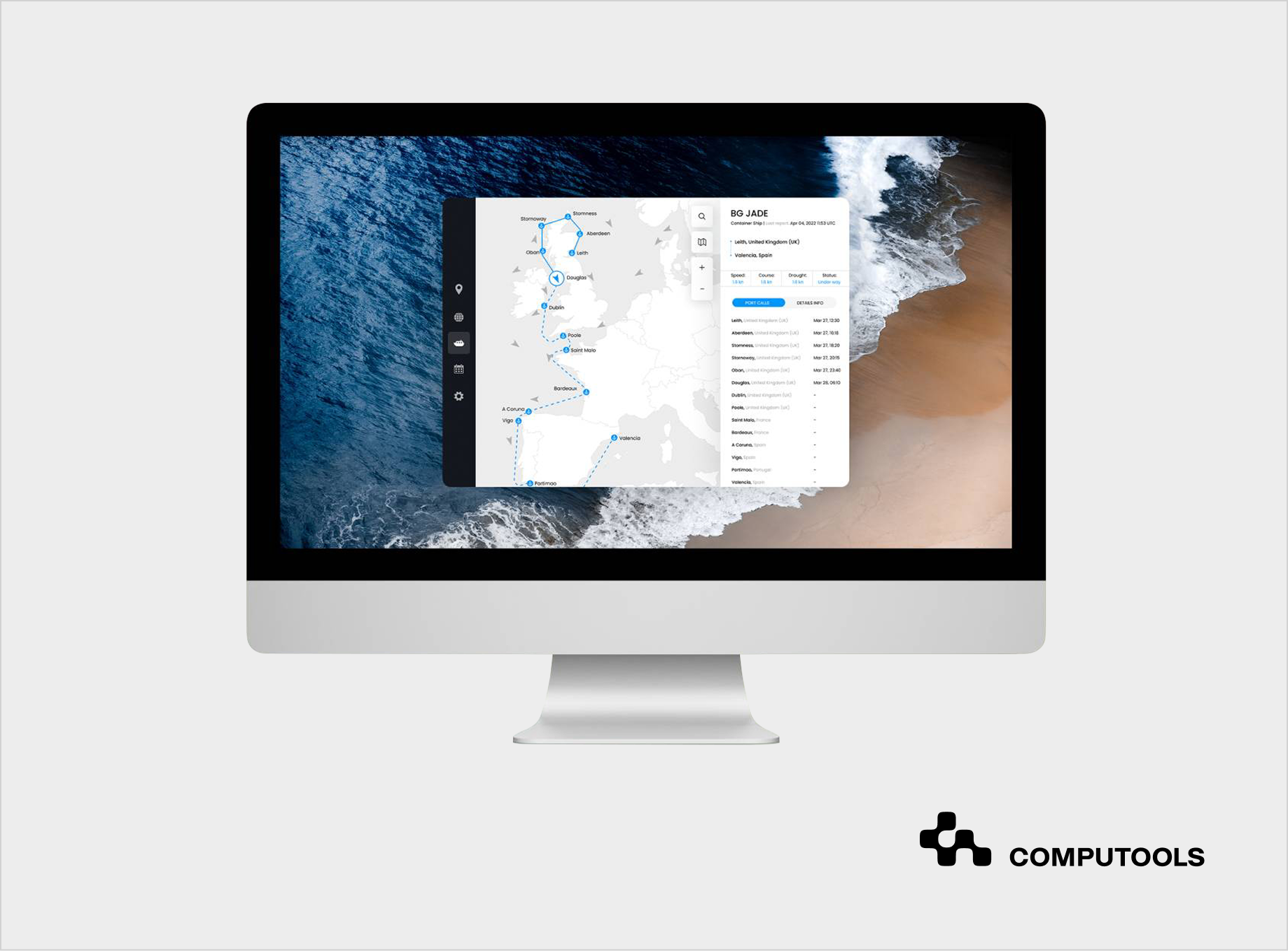
As a result, HubMarine reduced communication and pre-booking time by up to 75% and improved transparency across berth booking and vessel movement workflows. The client received a platform built around real marina constraints and daily operational decisions. This is the kind of outcome marina operators expect from well-scoped maritime software development services when berth planning, visibility, and operational control must be integrated into a single product.
For a closer look at how maritime platforms combine location signals with operational workflows, read How to Develop AIS and GPS Data Integration Software for Maritime Operations.
Step-by-step guide: how to build a dock scheduling platform for marina operations
Below, we explain how to build dock scheduling software for marina operations based on our hands-on experience delivering marina management software for berth booking, vessel visibility, and dockside coordination in real marina environments.
Step 1. Define berth allocation rules before you digitize the booking flow
A dock scheduling product starts with berth logic. Marina teams need a clear ruleset that determines which vessel can be placed in which berth, for how long, under what conditions, and with what operational dependencies. That logic usually includes vessel length, beam, draft, vessel type, stay duration, utility needs, arrival window, berth category, permit status, and local operating restrictions. If those parameters stay informal, the platform will store bookings but still leave real placement decisions to staff calls, manual checks, and last-minute corrections.
A berth may appear available in the calendar and still be unusable in practice because the vessel does not fit the space, overlaps with another arrival window, requires shore power that is already committed, or needs a location that matches navigation and access conditions. Good boat dock reservation software must evaluate availability based on operational rules. That gives marina teams a booking layer that reflects how the dock actually works.
In the HubMarine case, this foundation mattered because the client was dealing with vessel placement, pre-booking friction, and inconsistent visibility into booking-related decisions. We structured the platform around data that directly affected berth planning, including vessel parameters, permits, sailing history, and booking context. That made berth decisions easier to standardize and reduced the back-and-forth needed before a vessel could be assigned to a suitable berth in the marina.
From a product perspective, Step 1 should conclude with a berth allocation model the engineering team can translate into system rules. Each berth needs a defined profile, each vessel a structured requirement set, and each booking request requires validation logic for fit, timing, and readiness. Once stable, the platform can support reliable scheduling rather than just providing availability that might seem correct but fails under real marina pressure.
Step 2. Build one operational view for bookings, vessel data, and planning context
After the berth rules are defined, the product needs a working data layer that provides marina staff with enough context to make decisions without switching between disconnected tools. A dock assignment is rarely based on booking dates alone. Teams need to see vessel parameters, permit status, arrival timing, stay details, service requirements, and recent scheduling changes in the same workflow. When that information lives across separate screens, emails, or spreadsheets, berth planning slows down because every assignment requires manual cross-checking.
A strong marina booking and scheduling platform brings reservation data and operational context into one place. Staff should be able to open a booking and immediately understand whether the vessel matches berth constraints, whether the requested timing creates overlap risk, whether permissions are complete, and whether the stay has any conditions that affect placement. That reduces avoidable clarification work and gives operators a cleaner basis for day-to-day scheduling decisions.
In the HubMarine case, we built that layer around the information that directly affected planning. The platform supported boat owners, marina operators, and harbor authorities through a dedicated portal, while the planning workflow included vessel parameters, permits, and sailing history. That mattered because the client’s earlier process suffered from inefficient communication and weak visibility across booking-related actions. Once the planning context was structured inside the product, pre-booking became easier to manage, and berth coordination had a much stronger operational foundation.
From an engineering perspective, this step usually requires a clear domain model for bookings, vessels, berths, users, permits, and operational statuses. It also requires event handling for status changes such as updated arrival times, berth reassignments, booking amendments, and cancellations. Without that structure, the platform will display information but fail to support live coordination. With it, the scheduling flow becomes faster, cleaner, and much less dependent on staff memory, side messages, and repetitive manual checks.
Step 3. Add live vessel visibility to the scheduling workflow
Once bookings and vessel data are structured into a single operational view, the platform needs a visibility layer that shows marina activity in spatial terms across berth positions, vessel movements, and current occupancy. Dock teams make faster decisions when vessel type, berth position, current occupancy, and movement context are available on the same screen they use for scheduling. Without that visibility, operators have to reconstruct the situation manually before they can confirm placement, handle a change, or prepare for arrival.
A scheduling product becomes much more useful when berth planning is supported by a map-based interface tied to the actual marina layout. That gives staff a clear view of which berths are occupied, how vessels are positioned, whether a planned assignment creates access issues, and how one schedule change affects nearby berth usage. Strong harbor management software solutions rely on that level of visibility because scheduling accuracy drops when staff have to assemble the picture from fragmented sources.
In the HubMarine project, we implemented AIS integration together with a custom marina map that displayed vessel type and mooring location. That gave marina staff stronger visibility during navigation and berth coordination because the system no longer depended on fragmented vessel movement information. The client needed access to private vessel data for planning and navigation, and the platform addressed that requirement by connecting AIS-based vessel context with booking-related decision-making.
From a product design perspective, this step requires more than a visual map widget. The system must integrate vessel identity, booking records, berth coordinates, arrival status, and movement updates into a single, consistent data model. It also has to present that information clearly enough for the marina staff to act on it quickly. In practice, the value appears in faster berth confirmation, fewer placement errors, and better control when schedules change during active marina operations.
If vessel visibility is a core part of your product scope, read How to Develop Vessel Tracking Software Using AIS and Satellite Data for a closer look at tracking architecture, movement data, and real-time maritime visibility.
Step 4. Connect berth planning with dockside readiness and live operational inputs
Berth scheduling breaks when the platform treats a reservation as a finished berth decision before the marina is actually ready to receive the vessel. A berth can be booked and still require utility checks, access preparation, staff confirmation, or equipment-related validation before it can be used safely. The product has to clearly represent that difference. Marina teams need status logic that indicates whether a berth is free, assigned, prepared, occupied, blocked, or awaiting operational action.
Reliable software for marina operations connects scheduling with the conditions that shape real berth readiness. That includes dock equipment, shore-side services, utility availability, access constraints, and other operational signals that affect whether a vessel can be received on time. Without that layer, operators confirm slots too early, then spend time resolving preventable exceptions when the berth cannot accommodate the planned stay.
In HubMarine, the platform integrated with equipment and used IoT as part of the operational model, while the planning workflow also considered vessel parameters, permits, and sailing history. That gave the client a tighter connection between berth planning and live marina conditions, which matters once occupancy pressure rises and staff can no longer rely on informal coordination.
From a system design perspective, this step usually requires status models, event triggers, and operational rules that update berth availability when a condition changes. A slot should not remain marked as available if equipment status, utility load, access limits, or service dependencies make the berth temporarily unsuitable. Once those inputs are connected, the scheduling engine can work with the marina’s actual operating state and produce assignments that hold up in daily use.
Step 5. Add decision logic that improves berth allocation under changing conditions
Once berth rules, vessel context, and dockside readiness are in place, the platform needs a planning layer that helps staff respond to changes without manually reworking the schedule every time. Marina teams deal with late arrivals, extended stays, berth conflicts, last-minute cancellations, service dependencies, and changes in vessel requirements.
A scheduling product must process those variables quickly enough to support the next decision while the operation is still moving. A strong marina reservation management system gives staff a structured way to review placement options, understand conflicts, and adjust allocations without losing control over the wider berth plan.
That planning layer should evaluate simple availability, compare berth fit, timing overlap, operational readiness, vessel priority, stay duration, and current occupancy pressure. It also needs to rank alternatives when the original berth is no longer suitable. At that point, scheduling supports conflict handling, berth ranking, and live reallocation across the marina workflow. The system should surface which berth is most suitable, which assignment creates downstream risk, and which changes require staff attention before they affect arrivals already in motion.
In HubMarine, machine learning was part of the platform’s product logic for optimal vessel placement and efficient marina space allocation. We used that direction as the basis for a smarter planning layer that supported faster placement decisions under live operating constraints. Our AI development services fit this part of the product because berth allocation improves when historical usage patterns, current scheduling pressure, and vessel-specific requirements are processed together instead of being compared manually by staff.
This step also connects marina scheduling with the broader coordination principles used in logistics software development services, where the system has to handle moving assets, time-sensitive exceptions, resource conflicts, and live replanning without breaking the workflow. In a marina environment, the same logic applies to berth turnover, arrival sequencing, service timing, and occupancy balancing. Once that planning layer is implemented properly, the platform can absorb schedule changes with much less friction and give operators a more stable way to manage daily berth pressure.
If your platform also relies on connected equipment and real-time operational inputs, explore How to Build IoT-Enabled Load Optimization Software for Logistics Companies.
Step 6. Design role-based workflows for every participant in the marina process
A dock scheduling platform cannot serve boat owners, marina staff, and harbor authorities through the same workflow. Each role works with different decisions, different time pressure, and different data. Boat owners need a clear booking path, berth status, arrival details, and confirmation logic. Marina operators need allocation control, conflict handling, berth readiness status, and schedule changes. Harbor authorities may need access to vessel information, permits, and movement-related context. When all of that is forced into one interface, the product becomes slower to use and harder to trust in daily operations.
Effective custom harbor and marina software separates these roles at the level of actions, permissions, and information density. The interface for a boat owner should reduce friction around booking and arrival. The interface for marina staff should support fast operational decisions and exception handling. The interface for authorities should expose the specific records they need without crowding the screen with booking actions that do not belong to their part of the process. That separation improves usability, reduces training effort, and cuts the risk of mistakes caused by overloaded screens or unclear responsibility.
In the HubMarine project, we implemented a dedicated portal for boat owners, marina operators, and harbor authorities. That decision supported the client’s need for clearer communication and more efficient coordination around berth booking and vessel planning. It also matched the operating reality of the marina environment, where the same event, such as a new arrival or a berth change, affects different participants in different ways.
From a product architecture perspective, Step 6 requires role-based access control, workflow-specific dashboards, and permission logic tied to operational responsibility. It also benefits from event-driven notifications, task visibility, and auditability across critical actions such as booking approval, berth reassignment, and arrival updates. A platform built on that structure provides each user group with a cleaner working environment and the marina with a more controlled overall scheduling process.
Step 7. Roll out the platform with clear operational metrics and feedback loops
A scheduling product should be evaluated based on operational outcomes. Marina teams need to see whether the platform reduces booking friction, shortens pre-arrival coordination, improves berth transparency, reduces the number of manual clarifications, and provides staff with a faster way to resolve conflicts. Those indicators show whether the system is actually supporting marina work or simply replacing spreadsheets with a more attractive interface.
In practice, dock scheduling platform development has to include measurement from the start. The product should record booking lead time, berth reassignment frequency, exception volume, communication load, arrival accuracy, occupancy pressure, and the speed of staff response to schedule changes. That gives operators a clear basis for product decisions after launch. It also helps the engineering team understand which parts of the workflow still create friction and which logic needs refinement under live demand.
In the HubMarine case, the outcome was tied directly to communication and pre-booking efficiency. The implemented platform reduced the time spent on those activities and improved transparency across berth booking and vessel movement workflows, making the system more useful for daily marina coordination. The project also followed Scrum, which provided the client with regular visibility into implementation progress and enabled ongoing adjustments during delivery.
A rollout model like this keeps the platform aligned with real operating pressure after release. Marina staff can see whether berth planning is becoming faster, whether schedule changes are easier to absorb, and whether the system is reducing operational noise and keeping administrative overhead under control. That is usually the difference between a product adopted as part of marina operations and one that remains a partial tool on the edges of the workflow.
Taken together, these steps show marina operators how to build dock scheduling software that supports berth booking, vessel visibility, and dockside coordination within a single, controlled workflow.

Want to replace manual scheduling with a centralized system that optimizes dock usage and vessel flow? Contact our team to plan delivery timelines and investment.
What trends matter most for marina scheduling platforms?
Several technological and operational shifts are changing what marina operators expect from a marina dock scheduling system. The focus is moving beyond reservation handling toward real-time visibility, berth readiness, safer dock operations, and stronger marina operations management across the full waterfront workflow.
1. Safety monitoring is moving closer to berth planning. Marina infrastructure is becoming more responsive to electrical risk, dockside hazards, and changing berth conditions. That shift matters for scheduling because a berth cannot be considered available if its safety or utility status makes it unsuitable for arrival. As marinas adopt smarter monitoring tools, scheduling platforms need to reflect live dock conditions as they change.
2. Scheduling tools are becoming operational control systems. Operators increasingly need platforms that do more than accept reservations. The product must support berth allocation, arrival timing, service coordination, and occupancy control within a single workflow. A modern scheduling platform is expected to reduce manual clarification, shorten pre-arrival coordination, and give staff a clearer basis for day-to-day planning decisions.
3. Premium marina operations require tighter berth utilization. As marinas expand high-value services and compete for more demanding boat owners, berth usage becomes more commercially sensitive. Teams need better control over stay duration, vessel fit, service readiness, and turnover timing. That creates demand for scheduling products that can support active berth management under higher occupancy pressure.
4. Planning and pricing logic are becoming more data-driven. Occupancy patterns, vessel characteristics, weather conditions, service availability, and historical berth usage all influence how marinas assign space and manage demand. This is pushing platforms toward smarter planning models that can support allocation decisions, scheduling adjustments, and pricing logic with more precision.
5. Role-based coordination is becoming a product requirement. Boat owners, marina staff, and harbor authorities do not work with the same priorities or the same level of operational detail. Scheduling products are moving toward role-specific workflows that give each participant the information and actions relevant to their part of the process. That improves usability and reduces friction in communication around arrivals, berth changes, and booking updates.
6. Connected infrastructure is shaping the next generation of platforms. As marinas add more connected equipment, dockside sensors, and live operational inputs, scheduling products need to work with changing berth conditions in real time. The stronger platforms are shifting toward custom marina scheduling software that can incorporate local operational rules, infrastructure dependencies, and service logic.
Why companies choose Computools to build dock scheduling software
Computools is a global software development and IT consulting company with over 250 engineers and 400+ completed projects. We hold ISO 9001 and ISO 27001 certifications, comply with GDPR and HIPAA standards, and work with global brands such as Visa, Epson, and IBM. As a Microsoft and AWS Partner, we bring the delivery maturity needed for products that sit close to live operations, multi-role workflows, and infrastructure-dependent scheduling.
Dock scheduling platforms combine berth allocation, vessel visibility, coordination rules, and daily marina operations into a single product. Our maritime software development services cover the kinds of systems that support this environment, including port and terminal operations software, cargo visibility tools, marine IoT connectivity, and analytics-driven operational platforms.
In the HubMarine case, we delivered a solution for boaters, marina operators, and port authorities that combined berth allocation support, operational inputs, and AI-based planning logic into a single platform.
Companies also choose Computools for our ability to structure complex workflows and reduce manual coordination across teams and systems. Our approach to business process automation focuses on removing repetitive operational work, reducing avoidable errors, and giving teams a clearer execution flow. For marina platforms, this improves how booking updates, berth readiness, service timing, and communication work together in day-to-day operations.
If your marina needs a better way to manage berth booking, dock readiness, and vessel coordination, write to us at info@computools.com.
Marina organizations planning a broader modernization initiative can also take a look at our review of Top 15 Port & Terminal Management Software Development Companies.
Computools
Software Solutions
Computools is an IT consulting and software development company that delivers innovative solutions to help businesses unlock tomorrow.