A U.S. hotel group turned to Computools after discovering that steady occupancy and consistent bookings concealed a pricing issue. While rooms were selling, they weren’t always at optimal rates. Manual updates, ineffective segmentation, and sluggish reactions to market shifts were quietly eroding margins throughout the portfolio.
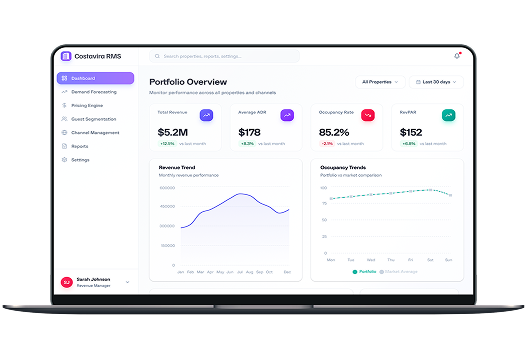
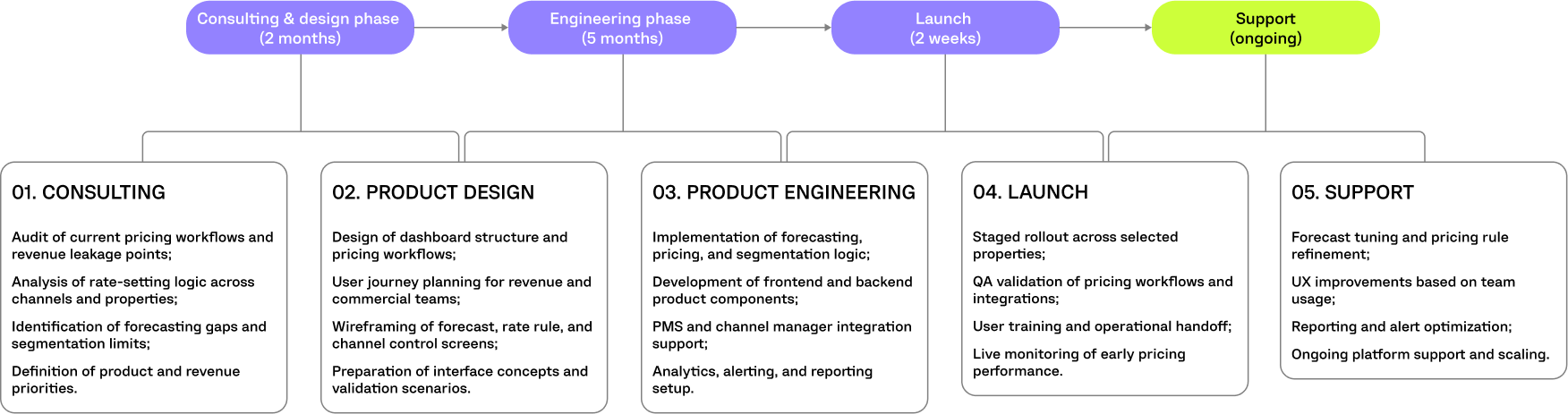
Computools delivered Costavira RMS, a hotel revenue management system designed to improve pricing control and support faster commercial decisions. The engagement covered discovery, pricing logic design, forecasting workflows, channel synchronization, and custom RMS development required to build a revenue management system for a hotel chain operating across multiple properties and booking channels.
The client is a growing U.S. hotel chain operating urban and business-travel properties across several markets. The group had stable booking volumes and a recognizable presence, but its pricing operations were still handled through spreadsheets, manual reviews, and experience-based decisions.
The company lacked a mature approach to dynamic pricing for hotels and had no reliable hotel demand forecasting layer to support faster rate adjustments driven by seasonality, city events, booking pace, or segment-level changes. As competition intensified, leadership needed a clearer way to increase hotel revenue without relying on more traffic or deeper discounts.
The client’s main challenge was pricing control. Rates were updated manually every few days, with limited visibility into demand shifts and little coordination across the website, OTAs, and partner channels. This created hotel price inconsistency across channels and made it harder to protect margins while maintaining occupancy.
The commercial team was dealing with underpricing and overpricing in a hotel business, both of which directly affected revenue. Rooms were sold too cheaply during high-demand periods, then left unsold when demand softened, and rates stayed too high. At the same time, the business lacked a structured approach to average daily rate optimization across guest segments, booking windows, and demand scenarios.
Standard web development services were not enough for this scope. The client needed a revenue-focused digital product that could centralize pricing logic, accelerate decision-making, and give the business stronger control over revenue performance.
Computools designed and delivered Costavira RMS, a platform built around hotel revenue management system development for multi-property hotel operations. The solution combined demand forecasting, segmentation-aware pricing logic, channel synchronization, and automation into a single environment tailored to HoReCa software development needs.
The platform supported hotel pricing optimization by analyzing occupancy, booking pace, historical patterns, day-of-week behavior, and city-level events. It also introduced real-time pricing for a hotel chain using configurable rules and automated recommendations, enabling the client to respond faster without relying on constant manual intervention.
The scope included forecast dashboards, pricing rule management, channel controls, alerting, role-based access, and reporting designed for revenue, commercial, and operations teams.
Within approximately six months after launch, the client achieved measurable improvements across pricing, revenue, and operational efficiency:
The project also reduced hotel rate parity issues and gave the client a clearer view of how hotels lose revenue on pricing when rate decisions remain manual, delayed, and unsynchronized.
Computools was selected as the technology partner because the client needed a team with experience in data-driven platforms for complex operational workflows. The project required expertise in pricing logic, demand forecasting, channel synchronization, product design, and scalable delivery. Computools built the platform around the client’s pricing, forecasting, and channel control needs across multiple properties.

The design focused on a clear pricing workflow to simplify decision-making and strengthen revenue control across channels.
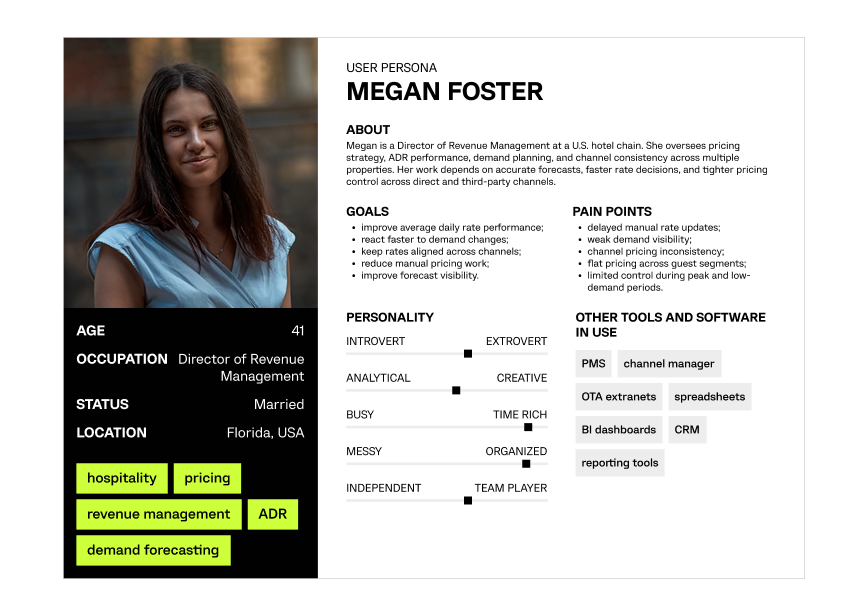
Detailed profile created to guide pricing workflows, forecasting visibility, and channel control logic.
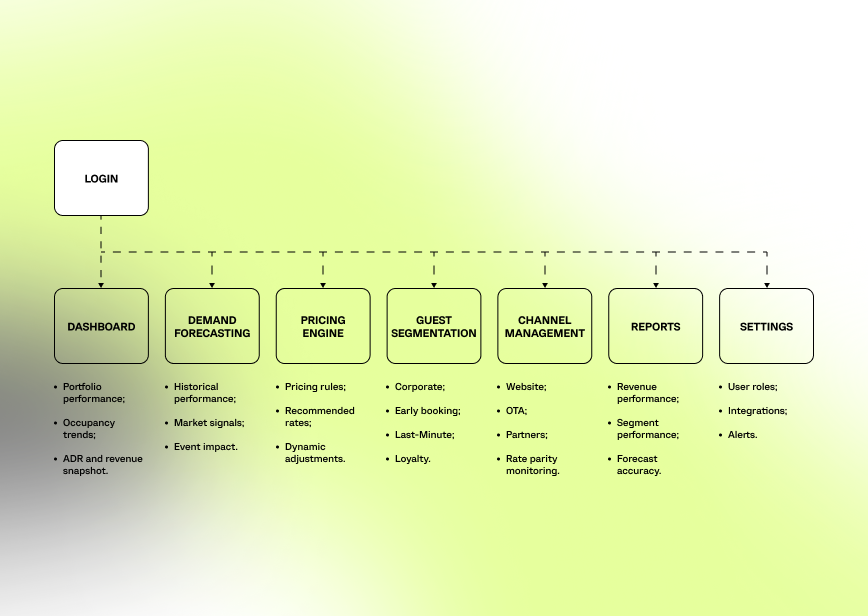
Hierarchical structure designed to support pricing control, demand forecasting, and channel consistency across hotel properties.
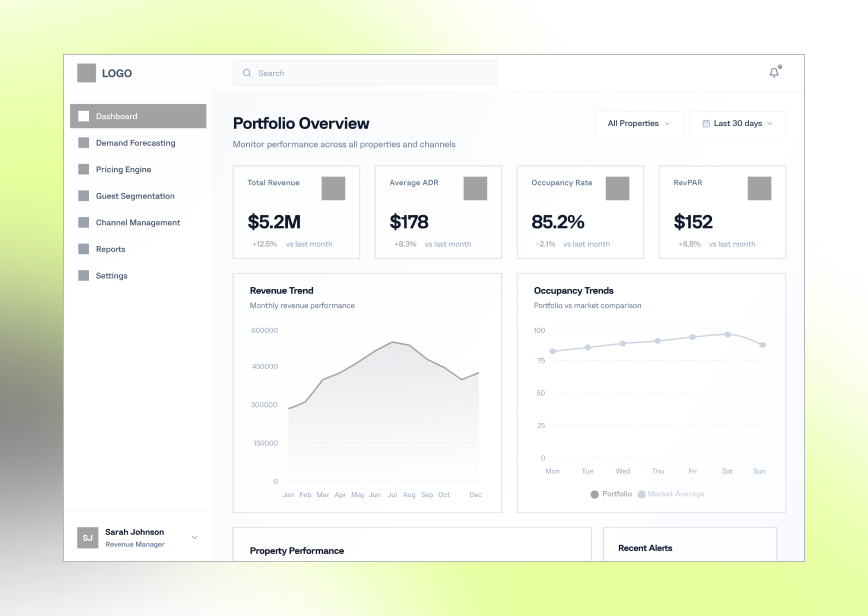
Low-fidelity layouts designed to simplify pricing workflows and minimize friction in daily revenue operations.
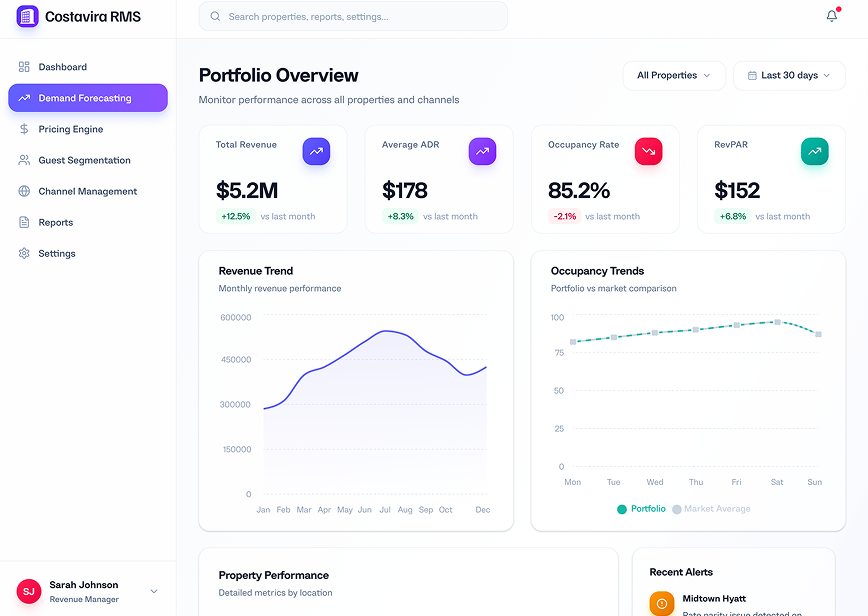
Streamlined interface designed to support fast pricing decisions, clearer forecasts, and stronger channel consistency.

REACT
React was used to build a responsive management interface for revenue teams. This frontend layer supported fast dashboard interactions, role-based navigation, and clear workflows for pricing, forecasting, and channel monitoring across multiple properties.

PYTHON
Python powered the forecasting and pricing logic layer, including demand analysis, rate recommendation workflows, and scenario modeling. It gave the platform the flexibility needed to process historical booking patterns and support automated pricing decisions.

FASTAPI
FastAPI supported the service layer behind forecast requests, pricing recommendations, rule execution, and third-party integrations. This architecture enabled reliable communication between the RMS interface, internal services, and connected hospitality systems.

POSTGRESQL
PostgreSQL served as the core relational database for booking history, pricing rules, property data, segment configurations, and reporting structures. It provided a stable foundation for both operational workflows and analytical queries.

REDIS
Redis was used for caching and fast data retrieval across pricing and forecasting workflows. This helped the platform respond more quickly to updates across multiple properties and channels without introducing unnecessary latency.

PMS / CHANNEL MANAGER API INTEGRATIONS
API integrations connected the platform with PMS and channel manager systems, allowing the client to synchronize rates, inventory signals, and booking data across its digital ecosystem. This improved pricing consistency and reduced channel-related conflicts.

AWS / DOCKER
AWS and Docker supported scalable deployments, stable infrastructure, and controlled release management. This setup allowed the platform to grow with the client’s portfolio and supported ongoing improvements without disrupting daily revenue operations.
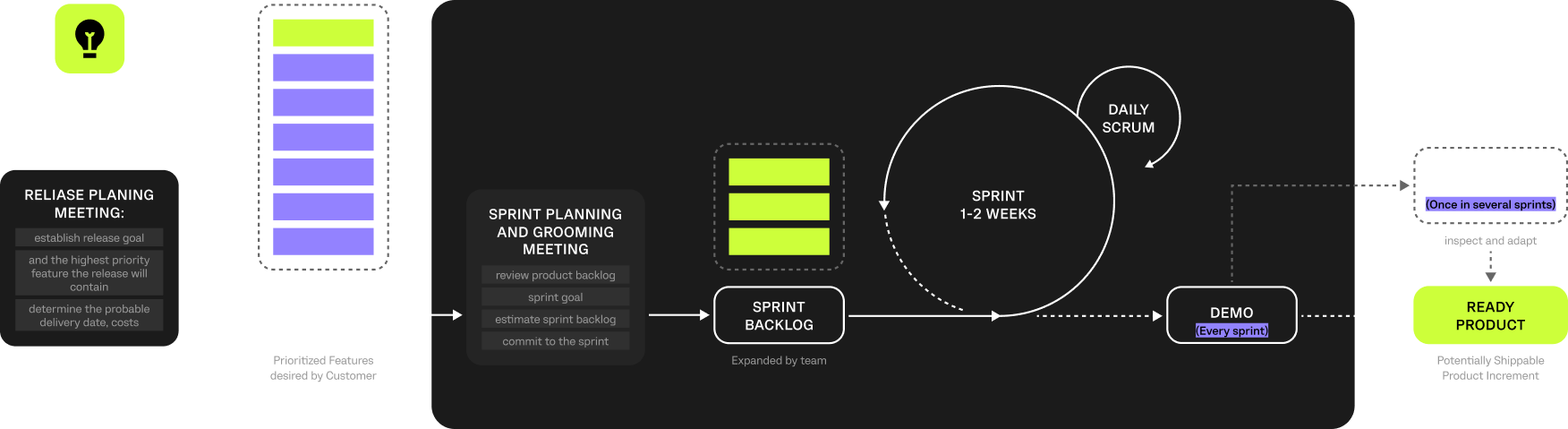
Computools used a Scrum-based delivery model to align the project with both technical and commercial goals. Work was organized into short iterations focused on pricing logic, forecasting, integrations, interface design, and reporting.
This approach helped the team validate assumptions early, release functional improvements in stages, and adjust priorities as revenue teams tested the platform in real operating conditions.
We realized we had a pricing problem, but it wasn’t clear how much revenue we were missing until we brought all the data together. Our team used to update rates by hand, which slowed our response and led us to miss opportunities during different demand periods and channels.
Computools helped us replace manual pricing corrections with a structured revenue management process. The platform gave us better forecasting, more consistent pricing control, and a much clearer view of where our margins were being lost. Within months, we saw stronger ADR performance, better rate discipline, and a more scalable pricing process across our properties.




Computools | 341 Raven Cir, Camden Wyoming, Delaware 19934, US